Transforming Air Quality with Custom Dust Collectors for Every Industry

Understanding the Importance of Custom Dust Collectors in Various Industries
Enhancing Air Quality and Worker Safety
Custom dust collectors stand at the forefront of industrial ventilation strategies, directly tackling airborne particulates that threaten both environments and people. These systems capture fine dust particles generated during manufacturing processes, ensuring cleaner air circulates through workspaces. Workers benefit immensely from this technology, as it slashes exposure to hazardous dust that can lead to respiratory issues, allergies, or long-term health complications. In factories handling metals, wood, or chemicals, dust control becomes non-negotiable for safety. Engineering teams design these dust collection systems to integrate seamlessly with existing ventilation setups, pulling contaminants away from breathing zones before they settle. Compliance with OSHA standards reinforces this priority, mandating effective dust removal to protect employees. Beyond health, superior air quality boosts morale and reduces absenteeism, allowing teams to focus on productivity without the fog of polluted air. Manufacturers who invest in tailored dust collectors report fewer incidents and healthier operations, proving that clean air equals a safer workplace. This commitment to worker safety not only meets regulatory demands but also fosters a culture of responsibility in industrial settings.
The Role of Customization in Dust Collection
Customization elevates dust collection from a generic solution to a precise tool engineered for unique challenges. Off-the-shelf dust collectors often fall short in specialized environments, but custom designs adapt to specific dust types, volumes, and layouts. Engineering experts assess particle size, airflow rates, and operational demands to craft systems that maximize efficiency. This personalization ensures filtration targets everything from coarse sawdust in woodworking shops to ultrafine powders in pharmaceutical production. Dust management systems gain versatility through bespoke features like modular components or adjustable filters, allowing seamless upgrades as needs evolve. For OEMs and manufacturers, this means reduced downtime and optimized resource use. Tailored dust collectors also address space constraints, fitting into tight industrial footprints without compromising performance. The result? A dust collection system that not only captures contaminants effectively but also integrates with broader air pollution control measures. By prioritizing customization, industries achieve superior dust extraction, transforming potential hazards into managed outputs and enhancing overall operational reliability.
Industry-Specific Applications of Custom Dust Collectors
Custom dust collectors shine across diverse sectors, each demanding unique adaptations to handle specialized dust challenges. In metalworking and welding shops, these systems target sparks and fumes, using robust filtration to maintain safe air quality. Woodworking facilities rely on them for capturing sawdust and chips, preventing explosive buildup and ensuring smooth ventilation. The food processing industry employs customized units to manage flour or spice particulates, safeguarding product purity while meeting hygiene standards. Pharmaceutical manufacturers integrate high-efficiency dust collection systems to control fine powders, avoiding cross-contamination in sterile environments. Even in construction and mining, portable or fixed custom dust collectors tackle silica and rock dust, crucial for worker safety amid heavy operations. Engineering firms collaborate with clients to scale these solutions, from small-scale dust control in artisan shops to massive installations in large mills. This versatility underscores how tailored dust collectors boost productivity by minimizing cleanup and enhancing compliance. Industries gain peace of mind knowing their dust removal systems align perfectly with regulatory and operational needs, driving efficiency in every application.
Types of Custom Dust Collectors and Their Technologies
Cyclone Dust Collectors: Efficiency in Dust Separation
Cyclone dust collectors harness centrifugal force to separate heavier dust particles from airflow, delivering high-efficiency dust separation without relying on filters. Air streams enter the cyclone chamber tangentially, spiraling downward as gravity pulls denser particulates to the walls, where they slide into a collection hopper. This technology excels in handling large volumes of coarse dust in manufacturing settings like cement plants or grain processing. Custom engineering allows adjustments to inlet velocity and cone angles, optimizing performance for specific dust characteristics. Unlike traditional filters, cyclones require minimal maintenance, cutting operation and maintenance costs over time. They integrate well with downstream filtration for finer particulates, creating comprehensive dust collection systems. Manufacturers appreciate their durability in harsh environments, where abrasive dust could damage other equipment. For industries seeking energy-saving dust control, cyclones reduce pressure drops, lowering fan power needs. This makes them ideal for custom dust collectors in space-limited areas, providing robust ventilation without complex assemblies. Overall, cyclone technology transforms dust management into a streamlined process, enhancing air quality and system longevity.
Cartridge Filters and Their Applications
Cartridge filters form the backbone of many custom dust collection systems, offering superior capture of fine particulates through pleated media designs that maximize surface area. These filters trap dust as small as 0.5 microns, essential for applications in electronics assembly or powder coating where clean air is paramount. Custom configurations allow selection of materials like polyester or PTFE for chemical resistance, tailoring them to corrosive environments in chemical processing. Pulse-cleaning mechanisms dislodge accumulated dust, extending filter life and minimizing downtime during operation and maintenance. In industrial dust collectors, cartridges stack efficiently, supporting high airflow rates in compact spaces. Manufacturers often pair them with pre-separators to handle heavier loads, boosting overall filtration efficiency. This technology addresses related searches like dust filtration systems by providing versatile solutions for both stationary and mobile setups. For OEMs building custom dust systems, cartridge filters ensure compliance with air pollution control standards while improving worker safety. Their adaptability makes them a go-to for specialized dust extraction, from automotive painting booths to textile mills, where precision in dust control drives productivity.
Vacuum and Portable Dust Collectors for Versatile Use
Vacuum and portable dust collectors deliver on-the-go dust control, perfect for dynamic environments like construction sites or maintenance workshops. These units combine powerful suction with compact designs, using HEPA filters or cyclonic action to capture dust at the source. Custom builds incorporate variable speed motors and ergonomic handles, adapting to tasks from sanding to grinding. In manufacturing, portable models connect to tools via hoses, preventing dust escape and maintaining air quality in shared spaces. Engineering focuses on lightweight materials and quick-release filters for easy operation and maintenance. They excel in dust management systems where fixed installations prove impractical, such as in shipyards or event setups. Related to vacuum dust collectors and shop dust collectors, these systems offer explosion-proof options for flammable dusts, ensuring safety. Manufacturers customize capacities from small shop needs to industrial-scale extraction, integrating with duct work for hybrid use. Portability enhances productivity by allowing immediate cleanup, reducing health risks from airborne particulates. As versatile tools, they bridge gaps in custom filtration systems, providing reliable dust removal wherever work happens.
Design and Engineering Considerations for Custom Dust Collection Systems
Tailoring Systems to Specific Manufacturing Processes
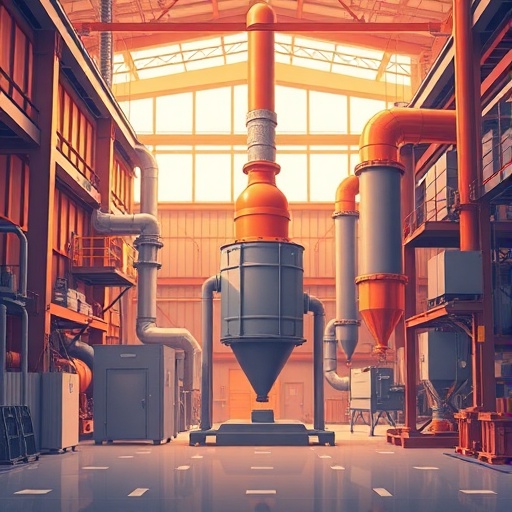
Engineering custom dust collection systems starts with a deep dive into manufacturing processes, ensuring every component aligns with production realities. Teams analyze dust generation points, from mixers in pharmaceuticals to lathes in machining, to position collectors strategically. This tailoring captures contaminants efficiently, preventing recirculation and upholding air quality. Custom designs incorporate variable airflow to match fluctuating loads, like batch processing in food industries. Millwright expertise guides installation, integrating systems with existing ventilation without disrupting workflows. For dust-heavy operations, engineers select hybrid technologies—combining cyclones and cartridges—for optimal particulates removal. Space constraints drive innovative layouts, such as vertical stacking or modular units that expand as facilities grow. Manufacturers benefit from simulations that predict performance, minimizing trial-and-error. This process-oriented approach not only enhances dust control but also supports scalability, allowing seamless upgrades. By focusing on specifics, custom dust collectors become integral to operations, boosting efficiency and reducing energy use in tailored setups.
Optimizing Duct Work for Maximum Efficiency
Duct work optimization lies at the heart of effective custom dust collection systems, channeling airflow to minimize resistance and maximize capture. Engineers design straight runs with smooth bends to reduce pressure drops, ensuring fans operate at peak efficiency. Custom sizing matches duct diameters to dust volumes, preventing clogs in high-particulate flows like welding fumes. Materials like galvanized steel or flexible hoses withstand abrasion, extending system life during operation and maintenance. Branching layouts target multiple sources without cross-contamination, crucial in multi-process manufacturing. Computational fluid dynamics tools refine designs, simulating airflow to eliminate dead zones. For space-challenged environments, compact routing integrates with overhead structures, maintaining unobstructed floors. This optimization cuts energy consumption, aligning with energy-saving goals in dust management. Manufacturers see improved filtration performance as optimized ducts deliver consistent suction. Related to dust extraction systems, well-engineered duct work transforms custom dust collectors into high-performing networks, enhancing overall air pollution control and productivity.
Incorporating Automation for Improved Performance
Automation revolutionizes custom dust collection systems, embedding sensors and controls to monitor and adjust operations in real time. Programmable logic controllers (PLCs) regulate fan speeds based on dust levels, optimizing energy use without manual intervention. Custom integrations include automated filter cleaning, triggered by pressure differentials to maintain airflow efficiency. In manufacturing, this technology links to production lines, activating collectors during high-dust phases like grinding or sanding. Remote monitoring via apps provides operation and maintenance alerts, reducing unplanned downtime. Engineering teams calibrate these features for specific dust types, ensuring precise capture of particulates. Automation enhances safety by isolating hazardous zones, complying with OSHA guidelines. For OEMs, it means scalable solutions that adapt to varying loads. This incorporation boosts productivity, as systems run autonomously, freeing workers for core tasks. Future-proof custom dust collectors with automation deliver smarter dust control, integrating seamlessly with broader industrial technology for sustained performance.
Quality Control and Compliance with Air Pollution Standards
Meeting OSHA Regulations for Worker Safety
OSHA regulations demand rigorous quality control in dust collectors to safeguard worker safety from airborne hazards. Custom systems undergo testing for capture velocity and filter integrity, ensuring they meet permissible exposure limits for substances like silica or metal dust. Engineering protocols include regular audits, verifying that ventilation effectively reduces concentrations below thresholds. Manufacturers implement leak detection in ducts and housings to prevent escape of particulates. Training on operation and maintenance reinforces compliance, empowering teams to spot issues early. In high-risk areas like foundries, explosion-proof designs align with OSHA's combustible dust directives. Quality control extends to material selection, using non-sparking components for safety. This focus not only avoids fines but elevates workplace standards, fostering trust among employees. Custom dust collectors tailored to OSHA specs integrate monitoring tools for ongoing verification. By prioritizing these measures, industries achieve robust dust management, protecting health while streamlining regulatory adherence in dynamic environments.
Ensuring Compliance with Environmental Controls
Environmental controls require custom dust collectors to minimize emissions, aligning with EPA standards for air pollution control. Systems feature multi-stage filtration to trap 99.99% of particulates, discharging clean air back into the atmosphere. Engineering ensures compliance through emission testing, adjusting designs to handle volatile organic compounds or heavy metals. Custom configurations include scrubbers for gaseous pollutants alongside dust capture. Manufacturers track lifecycle impacts, from installation to disposal of filters, promoting sustainable practices. Related searches like dust control systems highlight the need for verifiable performance data. Quality control involves third-party certifications, confirming adherence to local and federal guidelines. In urban settings, these collectors reduce neighborhood pollution, supporting broader ecological goals. Operation and maintenance schedules prevent bypasses, maintaining efficiency over time. By embedding compliance into design, custom dust collection systems not only meet but exceed environmental mandates, contributing to cleaner skies and responsible manufacturing.
Energy-Saving Features in Modern Dust Collectors
Modern dust collectors incorporate energy-saving features that slash operational costs while upholding filtration standards. Variable frequency drives adjust motor speeds to match real-time dust loads, conserving power during low-activity periods. Regenerative thermal oxidizers recapture heat from exhaust, reusing it in heating processes. Custom engineering optimizes fan selection for minimal energy draw, often achieving 30% savings over legacy systems. LED indicators and smart sensors automate shutdowns, preventing idle consumption. In manufacturing, these features integrate with automation for peak efficiency. Quality control verifies energy performance through audits, ensuring claims hold up. Related to industrial dust collectors, this focus addresses rising utility costs without sacrificing dust removal efficacy. Maintenance routines include cleaning to sustain aerodynamic efficiency, prolonging energy benefits. Manufacturers who adopt these innovations see reduced carbon footprints, aligning with green initiatives. Energy-saving custom dust collectors prove that high performance and sustainability go hand in hand, transforming air quality efforts into cost-effective strategies.
Future Trends in Dust Collection Technology
State-of-the-Art Filtration Systems
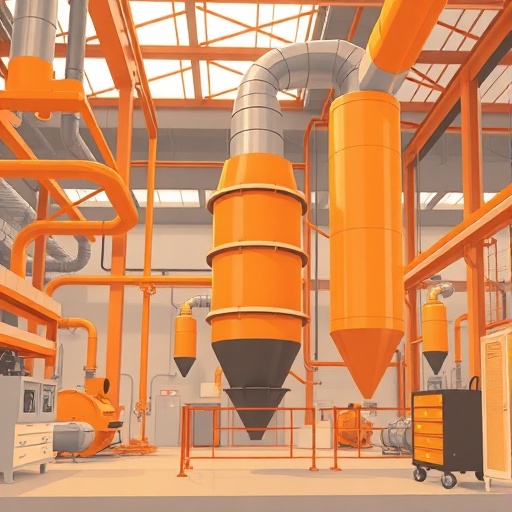
State-of-the-art filtration systems push custom dust collectors toward unprecedented precision, using nanotechnology membranes to snare sub-micron particles invisible to traditional filters. These advanced media self-clean via electrostatic charges, extending intervals between replacements and cutting maintenance. Engineering integrates hybrid setups, blending wet and dry filtration for versatile dust types in evolving manufacturing. AI-driven predictive analytics forecast filter life, optimizing swaps to avoid failures. In cleanroom applications, HEPA upgrades with antimicrobial coatings prevent microbial growth alongside dust capture. Manufacturers explore biodegradable filters, reducing environmental impact while maintaining air quality. Related to filtration collectors and specialty dust collectors, these innovations address ultrafine particulates from 3D printing or laser cutting. Custom designs scale from portable units to facility-wide networks, ensuring scalability. This cutting-edge technology enhances compliance with tightening regulations, delivering cleaner air with less waste. As industries adopt state-of-the-art systems, dust collection evolves into a proactive guardian of health and efficiency.
Integration of Smart Technology in Dust Management
Smart technology integration transforms dust management into an intelligent ecosystem, with IoT sensors providing real-time data on airflow, dust levels, and filter status. Custom dust collectors connect to cloud platforms, enabling remote diagnostics and adjustments via mobile interfaces. Machine learning algorithms analyze patterns to preempt clogs or inefficiencies, scheduling automation for peak performance. In manufacturing, this links dust systems to ERP software, correlating production with collection needs. Engineering ensures cybersecurity in these networks, protecting sensitive operational information. Portable models gain GPS tracking for fleet management in field services. Quality control incorporates firmware updates for ongoing improvements. Related searches like dust management systems underscore the shift to proactive control. Workers access dashboards for safety insights, enhancing training and response. This integration boosts productivity by minimizing disruptions, while energy-saving algorithms fine-tune operations. Smart custom dust collectors herald a future where dust control anticipates challenges, ensuring seamless ventilation and compliance.
The Impact of Innovation on Productivity and Clean Air
Innovation in dust collection profoundly impacts productivity, streamlining operations through faster setup and reduced interruptions from clogs or failures. Custom systems with modular designs allow quick reconfigurations for new processes, keeping manufacturing agile. Enhanced filtration cuts cleaning time, freeing millwright teams for value-added tasks. Clean air from these advancements sharpens worker focus, lowering error rates in precision industries like aerospace. Engineering innovations like quieter fans minimize noise pollution, improving comfort without productivity dips. Environmental benefits include lower emissions, supporting corporate sustainability goals that attract talent and clients. Related to dust collector systems, these trends drive ROI through extended equipment life and energy savings. Compliance becomes effortless with built-in reporting, avoiding regulatory hurdles. As technology advances, industries report up to 20% gains in output, tied directly to superior air quality. Innovation ensures custom dust collectors not only capture dust but elevate entire workflows, fostering safer, more efficient spaces for tomorrow's challenges.