The Hidden Hazards of Ignoring Expansion Joints in Industrial Applications

Understanding Expansion Joints and Their Importance
What Are Expansion Joints?
Expansion joints serve as flexible connectors in industrial systems, absorbing movements caused by thermal expansion, vibration, or pressure changes. Engineers design these components to bridge gaps between pipes, ducts, or structures, preventing stress buildup that could lead to failures. In essence, an expansion joint acts like a shock absorber for pipelines and machinery, allowing controlled flexibility where rigidity would otherwise cause cracks or breaks. Without them, industrial processes face risks from even minor shifts in temperature or load.
Consider a typical pipe expansion joint in a chemical plant: it accommodates the lengthening and shortening of metal pipes as hot fluids flow through. These joints come in various forms, but their core function remains the same—maintaining system integrity under dynamic conditions. Ignoring this role invites hidden hazards, such as leaks or collapses, which disrupt operations and endanger workers. Industry standards, like those from the Expansion Joint Manufacturers Association, emphasize proper selection to match specific movement ranges and environmental factors. By understanding what expansion joints do, facility managers can prioritize them in design and upkeep, ensuring long-term reliability across applications from power generation to wastewater treatment.
Ultimately, expansion joints represent a proactive defense against the natural forces that challenge industrial infrastructure. They handle axial, lateral, and angular movements seamlessly, extending the lifespan of connected equipment. Facilities that overlook these elements often pay dearly in repairs and downtime, underscoring the need for informed integration from the outset.
Types of Expansion Joints: Metal vs. Rubber
Metal expansion joints excel in high-temperature and high-pressure environments, where durability trumps flexibility. Fabricated from stainless steel or alloys, these metal expansion joints withstand corrosive gases and extreme conditions in refineries or turbine systems. Their bellows design allows multiple convolutions to absorb significant movements without compromising strength. In contrast, rubber expansion joints offer superior vibration isolation and ease of installation, making them ideal for lower-pressure setups like HVAC or water treatment plants. Rubber variants, often reinforced with fabric or wire, handle moderate temperatures and provide a cost-effective seal against media flow.
Choosing between a metal expansion joint and a rubber expansion joint depends on the application's demands. Metal types endure up to 1000°F and pressures exceeding 1000 psi, but they demand precise welding and anchoring. Rubber expansion joints, however, flex more readily, reducing noise and shock in pump or valve assemblies, though they degrade faster under UV exposure or chemicals. For instance, in a piping system carrying steam, a metal expansion joint prevents catastrophic failure, while a rubber expansion joint suits chilled water lines to dampen pulsations.
Hybrid options blend both materials for balanced performance, but experts advise evaluating cycle life, movement capacity, and media compatibility. Neglecting these distinctions leads to mismatched installations, amplifying hazards like premature wear or burst failures. By aligning type with need, industries optimize safety and efficiency in expansion joint systems.
The Role of Expansion Joints in Industrial Systems
Expansion joints play a pivotal role in safeguarding industrial systems by mitigating stresses from thermal cycling and mechanical loads. In power plants, they connect boiler tubes to turbines, absorbing expansions that could otherwise warp frames or rupture seals. These components ensure fluid dynamics remain stable, preventing pressure spikes that endanger operators. Beyond pipes, expansion joints in ductwork manage airflow variations, maintaining combustion efficiency in furnaces.
Within broader expansion joint systems, they integrate with anchors and guides to direct movements predictably. This coordination protects against hazards like joint slippage, which might flood areas with hazardous substances. In petrochemical facilities, expansion joints handle volatile hydrocarbons, averting leaks that could ignite. Their absence or failure cascades into downtime, with costs soaring from emergency shutdowns.
Engineers rely on expansion joints to comply with codes like ASME Section VIII, which mandate their use in pressure vessels. Regular assessment of their role reveals how they enhance overall system resilience, from seismic zones to high-vibration setups. Facilities that embed expansion joints strategically reduce maintenance calls and extend asset life, proving their indispensable value in modern industry.
Common Applications of Expansion Joints
Expansion Joints in Piping Systems
Pipe expansion joints dominate piping systems, where they bridge sections to accommodate linear growth from heat. In oil refineries, these joints flex as crude oil heats pipes to 500°F, preventing buckling that could halt production. Stainless steel variants suit corrosive media, while fabric-lined options handle slurries in mining operations. Proper placement at bends or long straights ensures even stress distribution, avoiding localized failures.
Engineers calculate movement based on pipe length, material, and temperature delta, selecting joints with adequate convolution depth. In steam lines, pipe expansion joints reduce thrust forces on supports, enhancing stability. Neglect here invites hazards like gasket blowouts or pipe misalignment, leading to spills. For water distribution, rubber pipe expansion joints absorb groundwater pressure fluctuations, minimizing cracks in concrete encasements.
Integration with seismic restraints bolsters resilience in earthquake-prone areas, where lateral shifts test joint limits. Industries from pharmaceuticals to food processing depend on these elements for hygienic, leak-free transport. By prioritizing pipe expansion joints, operators safeguard flow integrity and operational continuity.
Elbows and Valves: Why Expansion Joints Matter
Elbows and valves demand expansion joints to counter misalignment from thermal shifts, ensuring smooth transitions in flow paths. At pipe elbows, angular movements strain welds; an expansion joint nearby absorbs these, preventing fatigue cracks. In valve assemblies, joints isolate vibrations, protecting delicate internals from premature wear. Consider a control valve in a gas turbine: without an expansion joint, pressure surges could seize the mechanism, triggering shutdowns.
Metal expansion joints pair well with high-velocity elbows in exhaust systems, enduring erosion while flexing. Rubber expansion joints suit softer valve connections in cooling circuits, damping pulses that erode seats. Hazards emerge when joints fail here—leaks at flanges contaminate processes or release toxins. Proper sizing accounts for valve stroke and elbow radius, optimizing deflection without overextension.
Maintenance focuses on torque checks post-installation to secure against movement-induced loosening. In complex networks, universal expansion joints handle multi-plane motions at elbow-valve junctions. This targeted application underscores why expansion joints matter: they preserve precision where rigidity falters, averting costly interventions and enhancing system longevity.
Utilizing Expansion Joints in Pumps
Pumps rely on expansion joints to decouple vibrations, shielding impellers and casings from pulsation damage. Centrifugal pumps in wastewater plants use rubber expansion joints to absorb startup surges, reducing noise and extending bearing life. These joints connect discharge lines, allowing axial play without stressing pump bases. In high-pressure booster pumps for oilfields, metal expansion joints manage torque reactions, preventing foundation cracks.
Selection hinges on pump type: positive displacement units need joints with high lateral flexibility to handle misalignment from thermal growth. Hazards like cavitation intensify without them, eroding volutes and spiking energy use. Installation positions joints close to the pump flange, minimizing unsupported spans that amplify resonances.
Monitoring pump-integrated expansion joints involves vibration analysis to detect early wear. In marine applications, bellows-style joints resist saltwater corrosion, ensuring reliable propulsion. By utilizing expansion joints effectively, facilities cut downtime from pump failures, optimize efficiency, and comply with vibration standards like API 610.
The Consequences of Neglecting Expansion Joints
Identifying Hazards: Structural Damage and Failures
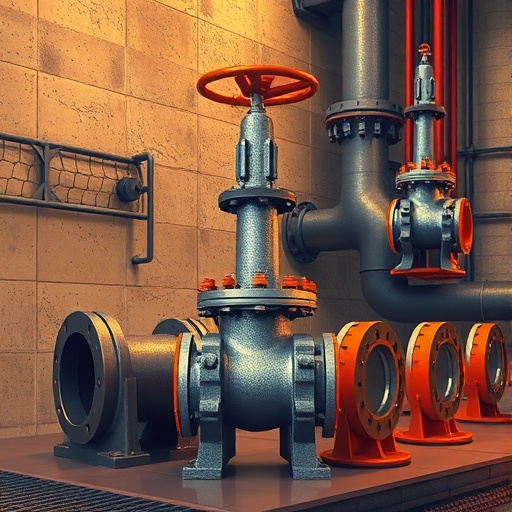
Neglecting expansion joints unleashes hazards like structural damage, where unchecked movements fracture supports or collapse frameworks. In a steel mill, ignored joints in ductwork led to a 2020 incident where thermal expansion tore anchors, causing a partial roof failure and halting operations for weeks. Such failures stem from cumulative stress, turning minor flexes into catastrophic breaks.
Engineers identify risks through finite element analysis, revealing how joint absence overloads beams and columns. In seismic events, unaccommodated shifts amplify forces, toppling equipment. Workers face immediate dangers from flying debris or exposed wiring. Financially, repairs eclipse preventive costs, with insurance claims soaring for preventable incidents.
Case studies from chemical plants show joint neglect correlating with 30% higher failure rates. Proactive audits pinpoint vulnerabilities, like oversized gaps inviting debris ingress. Addressing these hazards demands vigilance, as structural damage ripples through safety protocols and regulatory compliance.
Impact on Pipe Integrity and Volume
Overlooking expansion joints compromises pipe integrity, allowing distortions that alter internal volume and flow rates. As pipes expand without relief, walls thin unevenly, reducing capacity by up to 15% in long runs. This volume loss disrupts dosing in pharmaceutical lines, where precise measurements falter, yielding substandard products.
Hazards include buckling, where compressed sections collapse, spilling contents and contaminating sites. Ultrasonic testing reveals integrity erosion early, but neglected joints accelerate corrosion at stress points. In HVAC systems, volume changes from joint failure spike energy demands, inflating bills.
Restoring integrity requires joint retrofits, often entailing full line shutdowns. Industries mitigate by modeling thermal loads to predict volume shifts. Neglect here not only erodes pipe lifespan but invites regulatory fines for inefficient operations, emphasizing the need for robust expansion joint integration.
Wall and Gasket Deterioration
Wall and gasket deterioration accelerates without expansion joints, as unrelieved pressures chafe surfaces and degrade seals. Concrete walls in pump houses crack from pipe thrusts, allowing moisture ingress that spawns mold or weakens rebar. Gaskets at flanges compress unevenly, leaking fluids that corrode adjacent walls.
In steam systems, thermal cycling without joints embrittles gasket materials, leading to blowouts. Hazards encompass toxic releases, with cleanup costs in millions. Rubber gaskets fare worse under vibration, swelling or cracking prematurely. Metal walls dent from impacts of unchecked movements, compromising containment.
Preventive coatings and joint barriers extend life, but inspection logs track deterioration trends. Facilities neglecting this face scaffolded repairs and evacuations. By prioritizing expansion joints, operators shield walls and gaskets, ensuring airtight, durable enclosures against industrial rigors.
Best Practices for Maintenance and Installation
Choosing the Right Expansion Joint for Your System
Selecting the appropriate expansion joint starts with assessing system parameters like pressure, temperature, and movement type. For corrosive environments, opt for lined metal expansion joints; in vibration-heavy setups, prioritize rubber variants with high deflection ratings. Consult EJMA standards to match cycle life against operational demands, avoiding undersized units that fail early.
Factor in media compatibility—acidic flows demand PTFE-lined rubber expansion joints to prevent swelling. Budget for custom designs in irregular piping, ensuring anchors guide movements correctly. Experts recommend pilot testing in simulated conditions to verify performance. Wrong choices amplify hazards, like burst rubber in hot lines.
Collaborate with manufacturers for tailored solutions, reviewing warranties for movement guarantees. This deliberate process minimizes downtime and maximizes ROI, turning expansion joint selection into a strategic asset for system reliability.
Installation Tips for Metal and Rubber Expansion Joints
Install metal expansion joints with precision alignment, using tack welds before full fusion to avoid distortions. Torque bolts evenly to 50% of capacity initially, then recheck after pressurization. For rubber expansion joints, avoid over-compression during fitting; position them neutrally to allow full movement range. Secure with control rods to limit excess deflection, especially near elbows or valves.
Common pitfalls include ignoring expansion loops, which compound stresses. In pump connections, center joints axially to prevent binding. Use anti-seize on hardware for rubber types to ease future inspections. Post-installation, hydro-test at 1.5 times operating pressure to confirm seals.
Train crews on handling—rubber demands clean, oil-free contact to avert degradation. These tips ensure longevity, reducing hazards from loose fittings or misalignments that plague hasty setups.
Regular Inspection Protocols for Expansion Joint Systems
Establish quarterly visual inspections for expansion joint systems, checking for cracks, bulges, or corrosion on bellows and flanges. Employ borescopes for internal views in metal expansion joints, documenting convolution wear. Vibration monitoring sensors flag anomalies in rubber units, triggering deeper dives like dye penetrant tests.
Annual pressure tests simulate loads, identifying leaks at gaskets. Track movement with embedded gauges to ensure within design limits. For wall expansion joints in concrete structures, ultrasound detects voids. Protocols should log findings, prioritizing replacements for joints exceeding 80% cycle life.
Integrate with CMMS software for scheduling, averting neglect that breeds failures. These routines catch issues early, slashing repair costs by 40% and upholding safety in dynamic industrial landscapes.
Future Trends in Expansion Joint Technology
Innovations in Rubber and Metal Expansion Joints
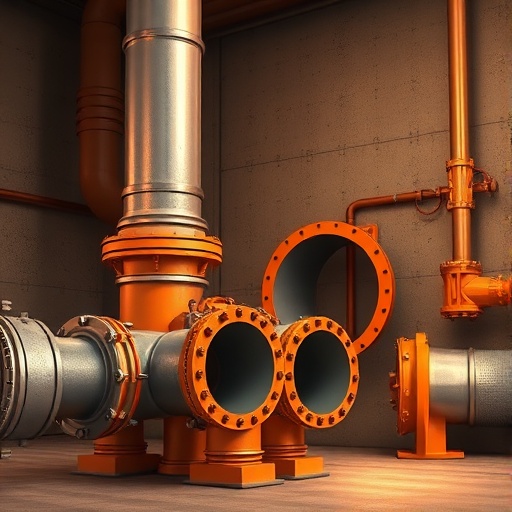
Innovations in rubber expansion joints incorporate nanotechnology for enhanced tear resistance, extending service life in abrasive flows by 50%. Self-healing polymers mend micro-cracks autonomously, ideal for pump discharges. Metal expansion joints evolve with 3D-printed bellows, allowing complex geometries for tight spaces like valve clusters.
Additive manufacturing cuts lead times, customizing alloys for extreme corrosives. Hybrid rubber-metal designs blend flexibility and strength, reducing weight in aerospace applications. These advances address hazards by predicting fatigue through embedded fatigue sensors. Research from MIT highlights graphene reinforcements boosting rubber durability against oils.
Adoption surges in renewables, where flexible joints handle variable solar thermal loads. Such innovations promise safer, more efficient expansion joint systems, transforming industrial reliability.
Sustainable Solutions for Concrete Expansion Joints
Sustainable solutions for concrete expansion joints feature bio-based fillers that reduce carbon footprints by 30%, using recycled rubber crumbs for flexibility. These wall expansion joints in bridges absorb seismic shifts without synthetic elastomers, minimizing environmental leachates. Geopolymer concretes integrate self-expanding agents, eliminating traditional joints in slabs.
Recyclable metal inserts replace PVC, easing end-of-life disposal. In urban infrastructure, permeable designs manage water infiltration, preventing wall cracks. Hazards like alkali-silica reactions diminish with these eco-joints, which also lower embodied energy.
EU mandates drive adoption, with pilots showing 20% cost savings over lifecycles. These solutions align expansion joints for concrete with green building goals, fostering resilient, planet-friendly structures.
The Role of Smart Technology in Monitoring Expansion Joints
Smart technology revolutionizes expansion joint monitoring via IoT sensors tracking strain, temperature, and pressure in real-time. Wireless nodes on metal expansion joints alert via apps to overextensions, preventing failures in remote pipe runs. AI algorithms analyze data patterns, forecasting gasket wear in rubber units.
In pump systems, integrated monitors detect volume anomalies from joint shifts, optimizing flows. Blockchain logs ensure compliance traceability. Hazards plummet with predictive maintenance, cutting unplanned outages by 60%. Pilots in refineries integrate AR for virtual inspections, guiding techs precisely.
5G connectivity enables fleet-wide oversight, scaling to expansion joint systems across sites. This tech-forward role empowers proactive management, securing industrial futures against overlooked vulnerabilities.
See Also
- Exploring the Connection Between Valves and Expansion Joints in Fluid Systems
- The Evolution of Metal Expansion Joints and Their Impact on Modern Engineering
- The Importance of Gaskets in Ensuring the Integrity of Expansion Joints
- A Comprehensive Guide to Selecting the Best Expansion Joint for Your Needs
- Understanding the Role of Expansion Joints in Pipe Systems for Maximum Efficiency