The Future of UAVs and the Role of Advanced Machining Services

The Evolution of UAVs in Aerospace
Historical Development of UAV Technology
UAVs, or unmanned aerial vehicles, trace their roots to early 20th-century experiments in radio-controlled flight. Pioneers like Reginald Denny built the first remote-controlled aircraft during World War I, laying groundwork for modern drones. The military adopted UAVs extensively in the 1960s with projects like the Ryan Firebee, a reconnaissance drone used in Vietnam. These early models relied on basic guidance systems and simple machined metal frames, often crafted by skilled machinists using rudimentary milling techniques. By the 1980s, advancements in electronics propelled UAVs into strategic roles, such as the Predator drone's debut in the 1990s for intelligence gathering. This evolution highlighted the need for precision engineering in aerospace components, where CNC machining began to replace manual processes. Today, historical lessons inform UAV design, emphasizing lightweight materials like aluminum and titanium to enhance endurance. The shift from propeller-driven scouts to jet-powered systems marked a leap in speed and payload capacity, driven by innovations in engine manufacturing and aerodynamic shaping through advanced machining services. As UAVs transitioned from niche military tools to versatile platforms, the aerospace industry invested heavily in reliable production methods, setting the stage for widespread adoption in surveillance, agriculture, and beyond. This historical trajectory underscores how machining precision has always been central to UAV reliability and performance.
Current Trends in UAV Design and Manufacturing
Modern UAV design prioritizes modularity and scalability, with engineers integrating swappable components for rapid deployment in military aircraft and commercial applications. Trends lean toward hybrid propulsion systems, combining electric motors with traditional fuels to extend range while reducing emissions. In manufacturing, aerospace machining services dominate, employing CNC machining to produce intricate parts like turbine blades and structural frames with unmatched accuracy. Companies now focus on additive manufacturing hybrids, where 3D printing complements milling for complex geometries in UAV fuselages. Sustainability drives material choices, favoring recyclable aluminum alloys over heavier steel variants. The rise of AI-optimized designs shortens development cycles, allowing machinists to iterate prototypes swiftly using precision tools. Regulatory pressures from bodies like the FAA push for enhanced safety features, such as redundant control surfaces machined from cobalt-infused metals for durability. Global supply chains integrate just-in-time production, where custom aerospace machining ensures parts meet stringent tolerances for missiles and reconnaissance drones. Data from recent industry reports shows a 25% increase in UAV production volumes, fueled by demand in defense and logistics. These trends not only boost efficiency but also pave the way for UAVs in urban air mobility, where lightweight, machined composites reduce noise and improve aerodynamics. Overall, current practices blend cutting-edge technology with proven engineering to meet diverse aerospace needs.
Future Innovations in UAV Capabilities
Looking ahead, UAVs will incorporate swarm intelligence, enabling fleets to coordinate autonomously for missions ranging from disaster response to precision strikes on military aircraft targets. Innovations in sensor fusion promise real-time environmental adaptation, with onboard AI processing data from LiDAR and hyperspectral cameras. Battery breakthroughs, like solid-state cells, will double flight times, necessitating advanced machining for compact engine housings in titanium and aluminum. Hypersonic UAVs emerge as game-changers, requiring heat-resistant cobalt alloys machined via high-speed CNC processes to withstand extreme velocities. Biotechnology integrations, such as bio-inspired wings, challenge traditional manufacturing, blending organic shapes with precision-milled metal supports. The aerospace industry eyes urban integration, with eVTOL UAVs demanding ultra-light frames from stainless steel and carbon composites, produced through automated machining services. Quantum computing could optimize flight paths, reducing fuel needs by 40%, while machined semiconductors enhance onboard computing power. Ethical AI governance will shape designs, ensuring reliability in civilian airspace. Space-adjacent UAVs, like those for orbital debris cleanup, will rely on space architecture principles, with parts machined for vacuum tolerance. These advancements position UAVs as pivotal in the next era of aerospace, where innovation meets rigorous engineering standards to unlock new frontiers.
Advanced Machining Services for UAV Production
The Role of CNC Machining in Aerospace
CNC machining stands as the backbone of aerospace production, delivering components with tolerances down to microns for UAVs and broader aircraft systems. Machinists program multi-axis machines to carve complex shapes from solid metal blocks, ensuring parts fit seamlessly in high-stakes environments. In the aerospace industry, this technology fabricates everything from wing spars to engine mounts, vital for UAV stability during flight. Precision CNC aerospace machining reduces waste and accelerates turnaround, critical for custom orders in defense contracts. Unlike traditional methods, CNC handles intricate geometries, like the curved surfaces of missile casings, with repeatable accuracy. Integration with CAD software allows engineers to simulate outcomes before cutting, minimizing errors in titanium or aluminum stock. Aerospace machining services providers invest in 5-axis CNC mills to tackle undercuts and contours impossible with 3-axis setups. This role extends to prototyping, where rapid iterations support UAV design evolution. Quality certifications like AS9100 ensure compliance, building trust in machined parts for military aircraft. As demand surges for lightweight UAVs, CNC's versatility in processing cobalt and stainless steel cements its indispensable status, driving efficiency across the manufacturing spectrum.
Precision Machining Techniques for UAV Components
Precision machining techniques elevate UAV components to peak performance, employing methods like electrochemical machining for delicate turbine blades and wire EDM for sharp-edged control surfaces. Skilled machinists select tools based on material properties, using diamond-coated end mills for hard cobalt alloys in engine parts. For UAV fuselages, waterjet cutting offers distortion-free profiles in aluminum sheets, preserving structural integrity. These techniques achieve sub-0.001-inch accuracies, essential for aerodynamic efficiency in high-speed drones. Grinding and honing refine surfaces on landing gear struts, enhancing durability against rough terrains. In aerospace component machining, hybrid approaches combine CNC milling with laser etching for multifunctional parts, like integrated sensor housings. Tool steel dies ensure consistent results in high-volume runs for missiles and spacecraft subassemblies. Vibration control systems in modern machines prevent defects, guaranteeing reliability in flight-critical elements. Custom aerospace machining tailors these methods to client specs, from prototype milling to full-scale production. Advances in nanoscale tooling push boundaries, enabling semiconductor-level precision in UAV electronics mounts. Ultimately, these techniques not only meet but exceed aerospace standards, fostering innovation in UAV capabilities.
Materials Used in UAV Manufacturing: Titanium, Aluminum, and Cobalt
Titanium dominates UAV manufacturing for its strength-to-weight ratio, ideal for airframes enduring extreme stresses in military aircraft operations. Machined titanium components, like propeller hubs, resist corrosion and fatigue, extending service life in harsh environments. Aluminum alloys provide cost-effective lightness, commonly milled into wing skins and internal brackets for commercial drones. Its machinability allows rapid prototyping via CNC processes, balancing performance with affordability. Cobalt-based superalloys shine in high-temperature zones, such as engine nozzles, where precision machining withstands jet exhaust heat up to 1,200°C. These materials integrate seamlessly in aerospace machining services, where engineers alloy them for specific needs—like cobalt-titanium blends for turbine blades in hypersonic UAVs. Surface treatments post-machining enhance properties, such as anodizing aluminum for electrical conductivity in sensor arrays. Sourcing challenges drive innovation, with recycled metals reducing environmental impact without compromising quality. In UAV production, material selection influences everything from payload capacity to fuel efficiency, with cobalt adding wear resistance to landing skids. Stainless steel variants supplement these for non-critical parts, but titanium, aluminum, and cobalt remain staples. Their successful application underscores the prowess of advanced machining in transforming raw metal into reliable aerospace assets.
Industrial Automation and Its Impact on Aerospace Machining
Integration of Robotics in Machining Services
Robotics revolutionizes machining services by automating repetitive tasks, allowing machinists to focus on complex engineering challenges in UAV production. Robotic arms load and unload CNC machines, speeding up workflows for aluminum and titanium parts in aircraft assembly. Vision systems guide precise tool changes, minimizing downtime in high-volume aerospace runs. In custom aerospace machining, collaborative robots (cobots) work alongside humans, enhancing safety while milling intricate missile fins. Integration with IoT enables real-time monitoring, predicting maintenance for tools handling cobalt alloys. This synergy boosts throughput by 30%, crucial for meeting defense deadlines. Aerospace services providers deploy robotic polishing stations to achieve mirror finishes on turbine blades, improving airflow efficiency. Programming flexibility allows adaptation to varied components, from UAV frames to spacecraft panels. Energy-efficient robots reduce operational costs, aligning with sustainable manufacturing goals. Case in point, automated cells produce stainless steel fittings with zero defects, elevating reliability. As industrial automation deepens, robotics bridges the gap between human ingenuity and machine precision, propelling aerospace innovation forward.
Enhancing Reliability Through Automation
Automation enhances reliability in aerospace machining by standardizing processes, eliminating human error in fabricating critical UAV elements like engine casings. Automated inspection tools scan machined surfaces for micro-flaws, ensuring parts meet FAA tolerances before integration. In CNC aerospace machining, servo-driven systems maintain consistent feeds, preventing variations that could compromise aircraft safety. Data analytics from automated lines track tool wear on steel and iron components, scheduling replacements proactively. This approach yields 99.9% uptime, vital for just-in-time delivery in military aircraft production. Reliability extends to material handling, where automated conveyors prevent contamination in cleanrooms for titanium milling. Predictive algorithms forecast failures in castings production, averting costly recalls. Aerospace industry leaders report fewer rejects, thanks to automated quality gates that verify dimensions on cobalt turbine blades. Scalability allows seamless shifts from prototypes to mass runs, supporting UAV swarm manufacturing. Ultimately, automation fosters a culture of precision, where reliability becomes inherent, safeguarding lives in flight operations.
Case Studies: Successful Automation in Aerospace Manufacturing
Boeing's implementation of robotic CNC cells slashed production time for 787 Dreamliner parts by 40%, using automated milling for aluminum wing ribs that enhanced UAV-derived tech in commercial jets. Another success story involves Lockheed Martin's F-35 program, where automated welding and machining integrated titanium frames with zero defects, boosting reliability for stealth UAV variants. SpaceX leverages industrial automation in Dragon spacecraft assembly, with robotic arms machining stainless steel heat shields to withstand reentry stresses—lessons applicable to orbital UAVs. In Europe, Airbus automated castings for A350 engines, employing CNC robots to process cobalt alloys, reducing lead times by 25% and improving turbine blade precision. These cases highlight how automation tackles complexity in aerospace component machining, from missiles to semiconductors housings. A smaller firm, Precision Castparts, automated iron forging lines for UAV landing gear, achieving AS9100 compliance and expanding into space architecture parts. Outcomes include cost savings of up to 35% and enhanced machinist roles in oversight. These real-world examples demonstrate automation's transformative power, driving efficiency and innovation across the sector.
The Importance of Precision and Accuracy in Aerospace Components
Achieving Tolerance Levels in Machined Parts
Achieving tight tolerance levels in machined parts demands state-of-the-art equipment and rigorous calibration, especially for UAV control surfaces where deviations can spell disaster. CNC machines operate within ±0.0005 inches for titanium spars, using thermal compensation to counter expansion during milling. Machinists employ gauge blocks and CMMs to verify dimensions on aluminum engine mounts, ensuring seamless assembly. In aerospace machining services, multi-sensor feedback loops adjust in real-time, maintaining accuracy across batches of cobalt fittings. Advanced software simulates stress on steel prototypes, refining cuts for optimal performance. Tolerance stacking analysis prevents cumulative errors in complex assemblies like missile guidance fins. For spacecraft components, vacuum-tested machining holds tolerances under extreme conditions, mirroring UAV needs. Training programs equip teams to handle tool steel variations, guaranteeing consistency. These efforts not only meet but surpass ISO standards, fostering trust in precision aerospace machining. The result? Components that perform flawlessly, from high-altitude drones to orbital missions.
Quality Control Measures in Aerospace Machining
Quality control measures in aerospace machining encompass layered inspections, starting with in-process monitoring via laser scanners on CNC mills producing UAV frames. Non-destructive testing, like ultrasonic flaw detection, screens titanium parts for internal voids before final assembly. Traceability systems log every step, from raw aluminum sourcing to finished cobalt turbine blades, enabling rapid audits. Third-party certifications validate processes in custom aerospace machining, ensuring compliance for military aircraft suppliers. Automated optical comparators flag surface irregularities on stainless steel castings, upholding aesthetic and functional standards. Root cause analysis tools dissect defects in iron components, driving continuous improvement. In machining services for aerospace, Six Sigma methodologies reduce variability, targeting zero escapes in critical paths. Employee certification programs build a vigilant workforce, adept at spotting anomalies in milling operations. These measures collectively safeguard against failures, enhancing overall system reliability in high-stakes environments like UAV swarms or spacecraft launches.
Impact of Precision on UAV Performance
Precision directly amplifies UAV performance, where micron-level accuracies in machined wings optimize lift and reduce drag by up to 15%. Accurate turbine blade profiling in cobalt alloys boosts engine efficiency, extending mission durations for reconnaissance drones. In military aircraft integrations, precise milling of aluminum housings ensures vibration-free sensor operation, sharpening targeting accuracy for missiles. Structural integrity from tight tolerances in titanium frames withstands g-forces, preventing mid-flight failures. Aerodynamic simulations validate machined contours, minimizing fuel consumption in long-endurance UAVs. Precision also enables miniaturization, packing more capabilities into compact forms for urban operations. Reliability surges as accurate parts lower maintenance needs, cutting lifecycle costs. In space architecture analogs, precise components support reusable UAV designs, echoing spacecraft durability. Overall, this precision engineering elevates UAVs from tools to transformative assets in aerospace, delivering superior speed, payload, and safety.
Future Challenges and Opportunities in Aerospace Machining Services
Addressing Material Limitations: Steel, Iron, and Castings
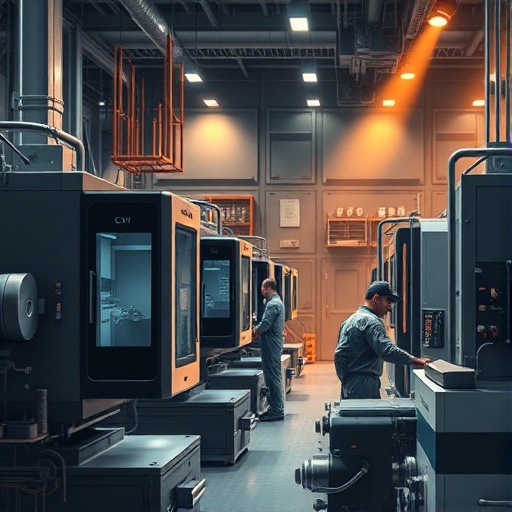
Steel and iron present challenges in aerospace machining due to their hardness, requiring specialized tools like carbide inserts to avoid rapid wear during milling of UAV structural beams. Castings, often in iron alloys, demand post-processing to eliminate porosity, achieved through precision CNC finishing for smooth surfaces in engine blocks. Limitations like thermal distortion in steel necessitate cryogenic cooling, ensuring dimensional stability for aircraft landing gear. Opportunities arise in advanced alloys, where tool steel variants enable high-strength castings for hypersonic UAVs. Recycling initiatives address supply shortages, machining reclaimed iron into sustainable parts without quality loss. Hybrid casting-machining reduces weight in cobalt-steel blends, opening doors for lighter missiles. Engineers tackle brittleness via vibration-dampening fixtures, enhancing reliability in cast components. As demand grows, aerospace services innovate with AI-optimized paths to cut steel efficiently, slashing energy use by 20%. These strategies not only overcome hurdles but unlock potential in durable, cost-effective manufacturing for the future.
The Role of Aerospace Machining in Space Architecture
Aerospace machining plays a pivotal role in space architecture, crafting intricate components for habitats and propulsion systems that parallel UAV advancements. Precision milling shapes titanium modules for modular space stations, ensuring airtight seals under vacuum. CNC techniques fabricate aluminum trusses for expansive solar arrays, supporting long-term orbital infrastructure. In spacecraft assembly, machining stainless steel connectors provides the backbone for expandable architectures, much like UAV frames. Cobalt alloys machined for thruster nozzles endure plasma environments, enabling precise maneuvers akin to drone agility. Opportunities in additive-subtractive hybrids allow complex geometries for radiation-shielded walls, reducing launch masses. Reliability testing mirrors aerospace standards, with machined parts undergoing thermal cycling to simulate space extremes. As private ventures like Starship evolve, custom machining services accelerate prototyping of iron-reinforced castings for landing pads. This role extends UAV tech to celestial realms, where precision engineering builds the scaffolding for humanity's off-world ambitions, fostering innovation in materials and processes.
Emerging Technologies in Aerospace Component Manufacturing
Emerging technologies like AI-driven adaptive machining revolutionize aerospace component manufacturing, dynamically adjusting CNC parameters for optimal titanium cuts in UAV prototypes. Nanofabrication integrates semiconductors directly into metal parts, enhancing smart sensors for real-time aircraft monitoring. Laser-assisted milling reduces heat-affected zones in cobalt turbine blades, preserving material strength for high-performance engines. Digital twins simulate entire production lines, predicting outcomes for steel castings before physical runs. Blockchain ensures supply chain transparency in aluminum sourcing, bolstering trust in global aerospace services. 6G-enabled automation coordinates robotic swarms for parallel machining of missile components, slashing timelines. Bio-mimetic designs, machined with ultra-precision tools, inspire adaptive UAV wings for variable flight conditions. Sustainability tech, such as green lubricants, minimizes environmental impact in iron processing. These innovations promise 50% efficiency gains, positioning the aerospace industry at the forefront of manufacturing evolution. By embracing them, companies elevate precision and accuracy, unlocking new possibilities in UAVs, spacecraft, and beyond.
See Also
- Mastering Machined Castings for Enhanced Aerospace Performance
- Exploring the Intersection of Aerospace Machining and Space Architecture
- Crafting Reliability in Military Aircraft through Expert Machining
- Titanium and Cobalt Machining for Next-Gen Aerospace Applications
- Precision Machining in Aerospace The Unsung Hero Behind Every Flight