The Future of Manufacturing with Advanced Pneumatic Valve Machining Techniques
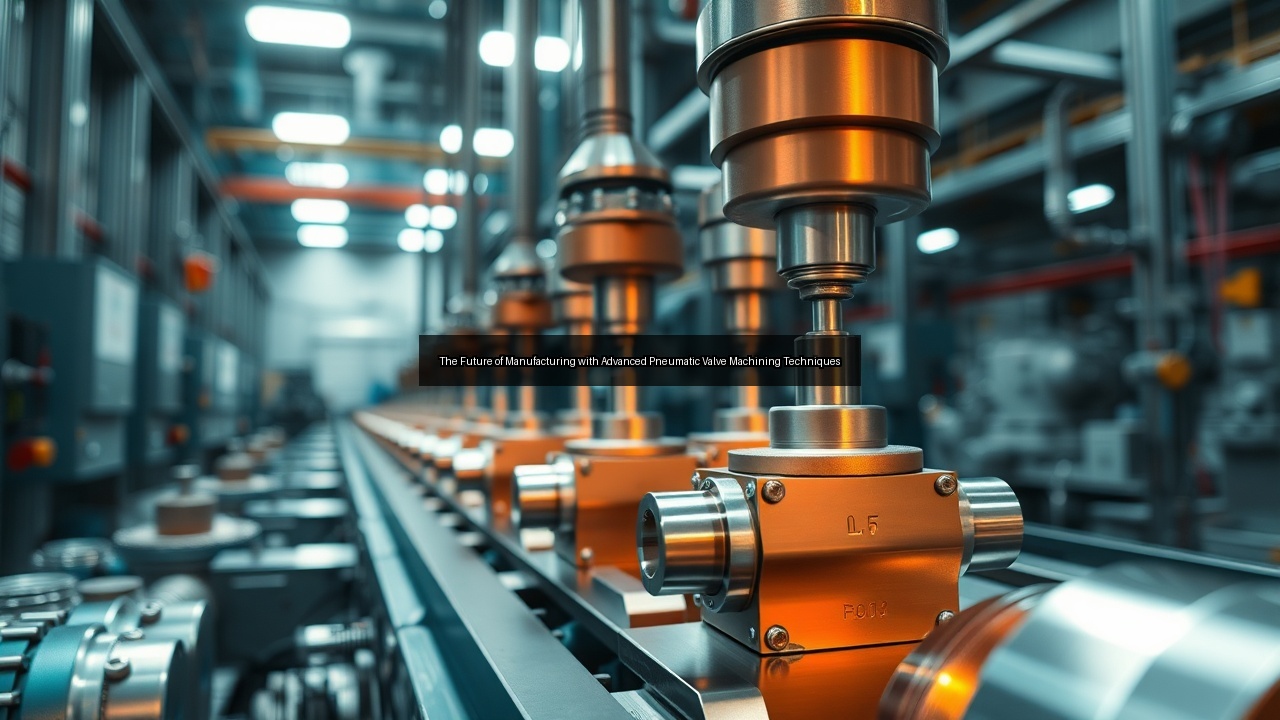
The Evolution of Pneumatic Valve Machining Techniques
Historical Overview of Pneumatic Valve Manufacturing
Early pneumatic valve manufacturing relied on manual lathes and basic drilling methods to shape components for gas flow control. Craftsmen hand-fitted parts to manage pressure in simple pneumatic systems, often resulting in inconsistent performance across valves. Over decades, factories adopted screw machines that improved repeatability for pneumatic control valves used in industrial applications. These advances reduced leaks and allowed higher operating pressures in pneumatic actuator assemblies. Manufacturers learned to balance material strength with machining speed, setting the stage for modern pneumatic valve machining that meets demanding engineering standards today.
Recent Advancements in Machining Technology
Modern shops now deploy multi-axis equipment that executes intricate contours on valve bodies during pneumatic valve machining. Laser-assisted cutting and advanced tool coatings extend tool life while maintaining tight tolerances on critical sealing surfaces. Engineers apply real-time monitoring to detect deviations in pressure ratings before parts leave the production line. These upgrades support faster turnaround for custom pneumatic valves without sacrificing durability. The result appears in reliable pneumatic systems that handle aggressive media and elevated temperatures across manufacturing sectors.
The Role of CNC Machines in Pneumatic Valve Production
CNC platforms deliver the precision required for machining pneumatic valves with complex internal passages that direct gas flow efficiently. Programmed paths eliminate human error during the creation of spool bores and seat angles inside control valve housings. Operators adjust feeds and speeds on the fly to accommodate different alloys while preserving surface finishes essential for leak-free operation. This capability accelerates prototyping of new pneumatic actuator designs and scales production for high-volume pneumatic system orders. Factories report shorter lead times and fewer scrap pieces when CNC drives the entire pneumatic valve machining workflow.
Key Components of Pneumatic Valve Systems
Understanding Pneumatic Control Valves
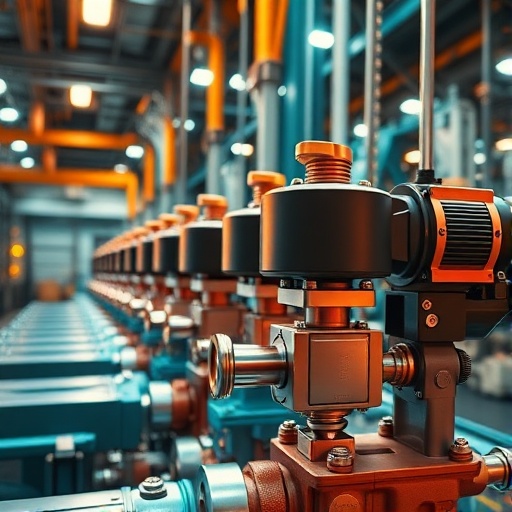
Pneumatic control valves regulate compressed air or gas within automated machinery by shifting between open, closed, or modulated positions. Internal spools and poppets respond to pilot signals that manage pressure differentials across ports. Proper design ensures rapid response times and minimal pressure drop through the valve body. Manufacturers machine sealing lands to exacting standards so that pneumatic control valves maintain consistent performance under fluctuating loads. These components form the backbone of many pneumatic systems found in packaging, assembly, and material handling lines.
The Functionality of Pneumatic Actuators
Pneumatic actuators convert air pressure into linear or rotary motion that operates attached valves. Pistons or diaphragms inside the actuator cylinder expand under controlled gas input to generate force. Machining the cylinder bore and rod guides to tight tolerances prevents binding and air loss during repeated cycles. Engineers pair actuators with matching control valve assemblies to achieve precise positioning in process applications. This integration delivers reliable actuation across temperature extremes and high-cycle environments common in factory automation.
Comparative Analysis: Pneumatic vs. Hydraulic Valves
Pneumatic valves operate at lower pressures than their hydraulic counterparts, typically under 150 psi, which reduces the need for heavy-walled components during machining. Hydraulic valves require finer surface finishes to contain incompressible fluids at thousands of psi, increasing production complexity and cost. Pneumatic systems offer cleaner operation since leaks involve air rather than oil, simplifying maintenance in manufacturing plants. However, hydraulic valve designs provide greater force density for heavy equipment. Selecting between the two depends on application pressure, speed requirements, and environmental constraints in the final pneumatic or hydraulic setup.
Challenges in Pneumatic Valve Machining
Material Selection for Durability and Performance
Choosing alloys for pneumatic valve machining involves balancing corrosion resistance with machinability under high-pressure conditions. Stainless steels and brass dominate because they withstand repeated exposure to compressed gas without degrading valve seats. Engineers evaluate hardness ratings to ensure cutting tools maintain edge life during deep bore operations on valve bodies. Incorrect material choices lead to premature wear or leakage in pneumatic control valves once installed in demanding pneumatic systems. Thorough testing confirms that selected grades deliver both longevity and cost-effective production runs for manufacturers.
Precision Manufacturing in High-Pressure Applications
High-pressure pneumatic valve machining demands sub-micron tolerances on critical dimensions such as spool clearances and port alignments. Any deviation allows gas bypass that reduces system efficiency and raises operating costs. Shops employ coordinate measuring machines immediately after machining to verify geometry before parts proceed to assembly. Temperature-controlled environments stabilize materials during the process, preventing distortion that could compromise pressure ratings. This level of accuracy separates successful pneumatic valve manufacturers from competitors unable to meet stringent industry specifications.
Management of Production Costs in Valve Manufacturing
Effective cost management in pneumatic valve manufacturing starts with optimized tool paths that minimize cycle times during machining. Bulk purchasing of bar stock and strategic nesting of parts on CNC tables reduce raw material waste. Managers track scrap rates and rework frequency to identify bottlenecks in the pneumatic valve machining sequence. Balancing automation investments against labor savings allows factories to maintain competitive pricing on pneumatic actuators and control valves. Continuous process improvement keeps overhead low while preserving the quality demanded by engineering teams.
Future Trends in Pneumatic Valve Manufacturing
Integration of Automation in Machining Processes
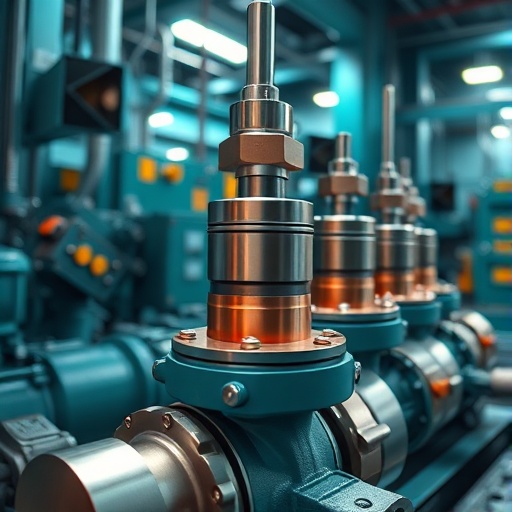
Automated loading systems and robotic arms now feed raw material into pneumatic valve machining centers without operator intervention. Pallet changers allow continuous operation across multiple shifts, boosting output of precision valves. Software schedules tool changes based on wear data collected from sensors embedded in the equipment. This automation reduces human variability and supports consistent quality in pneumatic control valve production. Manufacturers adopting these methods gain capacity to fulfill larger orders while controlling labor expenses in competitive markets.
Impact of Industry 4.0 on Manufacturing Practices
Industry 4.0 connects pneumatic valve machining equipment to centralized data platforms that track every stage of production. Real-time analytics predict maintenance needs before breakdowns interrupt valve output. Digital twins simulate machining parameters to optimize setups for new pneumatic actuator designs before physical cutting begins. Connected factories share performance metrics across global sites, accelerating improvements in hydraulic valve and pneumatic valve lines alike. The result is smarter decision-making that elevates overall engineering and manufacturing efficiency.
Sustainability in Pneumatic Valve Production
Sustainable practices in pneumatic valve production include dry machining techniques that eliminate coolant disposal issues common in traditional valve manufacturing. Recycled aluminum and brass feed stock reduce the environmental footprint of raw material sourcing. Energy-efficient CNC spindles lower electricity consumption during extended pneumatic valve machining runs. Manufacturers also design valves for easier disassembly at end of life, supporting circular economy goals. These steps align production methods with stricter regulations while maintaining performance standards for pneumatic systems worldwide.
Case Studies and Success Stories
Hogge Precision Parts: A Leader in Pneumatic Valve Machining
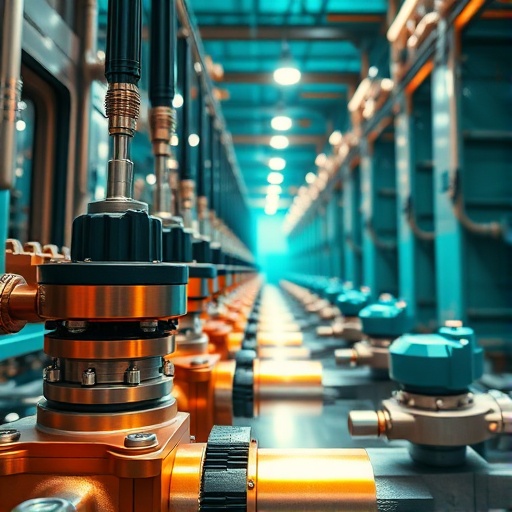
Hogge Precision Parts has built its reputation on specialized pneumatic valve machining capabilities that deliver complex components for demanding applications. The company invested early in five-axis equipment capable of producing intricate internal geometries inside control valve bodies. Their engineers developed proprietary fixturing that maintains alignment during multi-operation sequences on pneumatic actuators. Clients report improved system reliability and reduced downtime after switching to valves machined at Hogge Precision Parts. This focus on technical excellence positions the firm as a preferred partner among pneumatic valve manufacturers seeking consistent quality.
Innovative Manufacturing Practices from Top Pneumatic Valve Manufacturers
Leading pneumatic valve manufacturers combine additive manufacturing for prototype valve bodies with traditional subtractive machining for production volumes. They employ in-process probing to correct dimensional drift automatically during pneumatic valve machining. Some facilities integrate vision systems that inspect sealing surfaces at line speed, catching defects before assembly. These practices shorten development cycles for new pneumatic control valves and improve first-pass yield rates across the factory floor. The collective advancements strengthen the entire supply chain for pneumatic systems.
Lessons Learned from Industry Leaders in Valve Engineering
Industry leaders emphasize cross-training operators so they understand both machining fundamentals and pneumatic system performance requirements. They document every parameter change during valve production to create traceable records that support continuous improvement. Collaboration between engineering and manufacturing teams uncovers design modifications that simplify pneumatic valve machining without compromising function. These lessons translate into faster time-to-market for updated hydraulic valve alternatives and pneumatic actuators alike. Companies that internalize such practices consistently outperform rivals in cost, quality, and innovation metrics.
See Also
- Unlocking Precision in Pneumatic Valve Machining for Enhanced Performance
- Exploring the Role of Pneumatic Valve Machining in Modern Hydraulic Systems
- Mastering Efficiency in Factory Operations through Pneumatic Valve Manufacturing
- From Concept to Creation A Deep Dive into Pneumatic Valve Machining Processes