The Future of Flexible Packaging in Custom Blending for Beverages
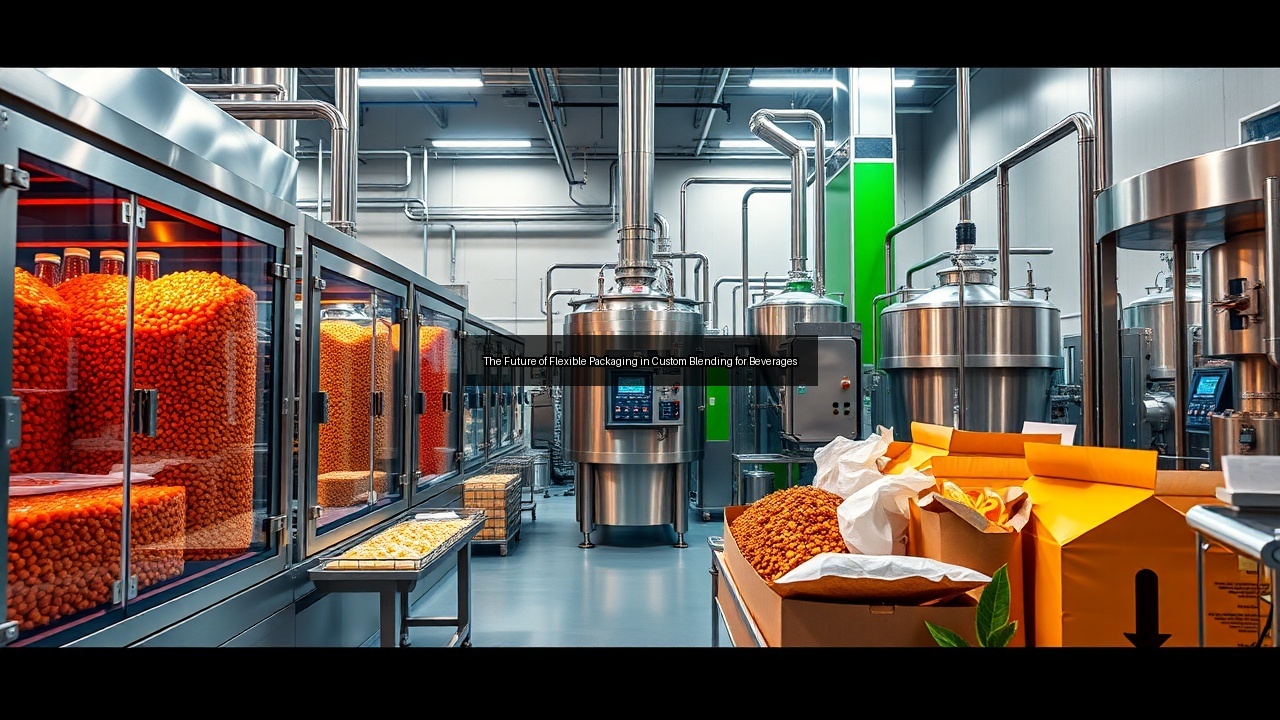
The Evolution of Flexible Packaging in the Beverage Industry
Historical Overview of Packaging in Beverages
Beverage producers relied on rigid containers like glass bottles and metal cans for decades. These options protected products during transport yet limited design flexibility and raised shipping costs. Early manufacturers focused on durability rather than convenience, which shaped consumer expectations around shelf presence and portability. Over time, demand grew for lighter materials that maintained product integrity without excess weight. Custom blending solutions entered the picture as processors sought efficient ways to combine ingredients before filling containers. This shift encouraged experimentation with formats that supported smaller runs and varied recipes.
Glass bottles, while excellent at preserving carbonation and flavor, proved heavy and fragile, leading to high breakage rates during distribution. Metal cans offered better stackability but required significant energy for production and transportation. By the mid-20th century, rising fuel costs and global supply chains pushed the industry toward materials that could reduce overall logistics expenses. Processors began exploring early polymer films and laminates that could hold liquids without leaking, setting the stage for more innovative approaches. This gradual transition also coincided with growing consumer interest in portable, single-serve options that rigid formats struggled to accommodate efficiently.
The Rise of Flexible Packaging
Flexible packaging gained traction because it reduced material use while extending shelf life for many beverages. Producers adopted pouches and films that adapted to different volumes and shapes. These formats lowered transportation expenses and allowed creative labeling that highlighted custom blends. Food and beverage companies noticed immediate gains in storage efficiency. The transition also aligned with needs for rapid market testing of new flavors. Flexible packaging supported quick changes in batch production without retooling entire lines.
Stand-up pouches and spouted formats quickly became popular for juices and smoothies because they could be shaped to fit retail shelves more compactly than traditional bottles. Their lightweight nature translated into lower carbon emissions during shipping, an advantage that resonated with both manufacturers and environmentally conscious retailers. Additionally, the ability to incorporate high-quality graphics directly onto the film enabled brands to communicate custom blend ingredients and health benefits without needing secondary labels. This versatility proved especially valuable during seasonal promotions or limited-edition launches where speed to market was critical.
Key Innovations in Beverage Packaging
Recent advances include multilayer films that block oxygen and light more effectively than earlier versions. These improvements preserve freshness in products made through custom blending services. Engineers developed resealable closures that improved consumer convenience. Such features encouraged repeat purchases of custom blends. Science contributed barrier technologies that integrate with juice concentrates without altering taste profiles. Manufacturers now combine these elements to create packaging that meets both functional and marketing goals.
Innovations such as metallized layers and ethylene-vinyl alcohol (EVOH) barriers have dramatically reduced oxidation rates, allowing beverages to retain nutritional value for extended periods. Resealable zippers and screw-cap fitments on pouches have also enhanced usability, particularly for larger family-size formats that are consumed over multiple occasions. These features, paired with advanced printing techniques like digital and flexographic methods, let producers highlight unique custom blend profiles with vibrant, eye-catching designs that stand out on crowded shelves.
Understanding Custom Blending Solutions for Beverages
Types of Custom Blends in Beverage Manufacturing
Custom blending solutions cover fruit-based mixtures, functional drinks with added nutrients, and ready-to-drink teas. Each type requires precise ratios of food ingredients to achieve consistent flavor across batches. Producers offer solutions for blending that range from single-serve prototypes to large-scale commercial runs. These options help brands differentiate themselves in crowded markets. Batch production methods ensure every container meets exact specifications. Companies leverage custom solutions for blending to respond quickly to seasonal trends.
Functional beverages often incorporate vitamins, minerals, and adaptogens, demanding careful control over pH and solubility to prevent sedimentation. Ready-to-drink teas require precise extraction and flavor balancing to deliver consistent taste, especially when using natural botanicals. Manufacturers now routinely handle small-batch runs for niche markets such as organic or low-sugar varieties, enabling rapid iteration based on consumer feedback while maintaining strict quality parameters throughout production.
Importance of Food Ingredients in Custom Blending
Food ingredients determine taste, color, and nutritional value in every finished beverage. High-quality selections support stable emulsions and extended shelf life when paired with appropriate packaging. Processors evaluate solubility and stability before finalizing any recipe. Custom blending solutions depend on reliable sourcing of these inputs to avoid variation. Food ingredients also influence how products interact with primary packaging materials during filling and storage. Careful selection reduces waste and maintains brand standards.
Stabilizers, emulsifiers, and natural preservatives play critical roles in maintaining product integrity, especially when beverages contain both water- and oil-based components. Sourcing traceable, high-purity ingredients helps processors meet clean-label demands while minimizing the risk of off-flavors or color changes during storage. This rigorous ingredient management directly supports the effectiveness of flexible packaging by reducing the potential for chemical interactions that could compromise barrier performance.
Role of Juice Concentrates in Custom Blends
Juice concentrates deliver concentrated flavor and natural sweetness while lowering shipping volumes. They integrate smoothly into custom blends and allow precise control over brix levels. Manufacturers adjust concentrate ratios during batch production to hit target sweetness without added sugars. Juice concentrates also contribute to color consistency across different production runs. When combined with flexible packaging, they maintain freshness longer. This combination supports efficient custom blending solutions that scale from pilot to full output.
Concentrates reduce water weight dramatically, cutting freight costs and storage needs compared with single-strength juices. Their standardized brix levels enable repeatable formulations across global production sites. When paired with oxygen-barrier films, these concentrates preserve volatile aroma compounds, ensuring that reconstituted beverages retain the fresh taste consumers expect even after months of distribution.
The Impact of Flexible Packaging on Custom Blending
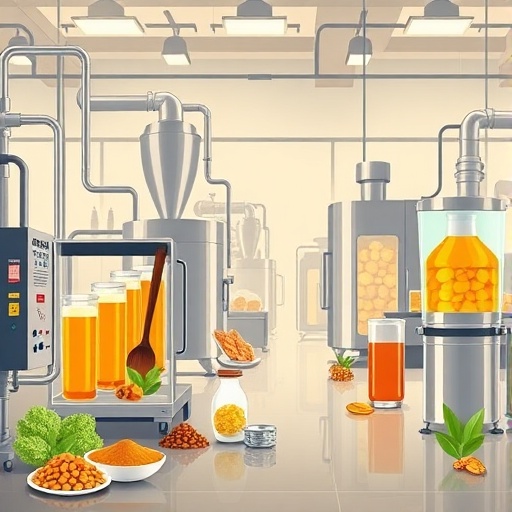
Primary vs. Secondary Packaging in Beverage Products
Primary packaging directly contacts the beverage and must preserve flavor and safety. Secondary packaging provides outer protection and branding space during distribution. Flexible packaging often serves as primary packaging for custom blends because it forms tight seals that limit oxidation. Secondary packaging then adds structural support for pallets and retail displays. The distinction matters when processors design solutions for blending that require specific fill temperatures. Proper coordination between the two layers reduces damage rates.
Primary flexible materials such as polyethylene and polypropylene laminates must withstand hot-fill or aseptic conditions without leaching. Secondary options like corrugated cases or shrink sleeves protect against punctures and provide ample surface area for regulatory labeling and promotional messaging. Coordinated design ensures that temperature-sensitive custom blends remain stable from production through final retail placement.
Benefits of Flexible Packaging for Custom Blends
Flexible packaging blending companies cuts material costs and transportation weight compared with rigid alternatives. It accommodates varied batch sizes common in custom blending solutions. Producers achieve faster changeovers and reduced downtime. The format also supports eye-catching graphics that communicate product benefits. Custom blends benefit from portion-controlled options that appeal to on-the-go consumers. Overall, flexible packaging improves supply chain agility while protecting product quality.
Changeover times can drop by more than half when switching between different pouch sizes versus reconfiguring bottle lines. Portion-controlled formats such as 200 ml and 330 ml pouches align perfectly with modern consumption patterns, reducing waste for single users. These efficiencies allow brands to test multiple custom blend variants simultaneously without significant capital investment.
Sustainability Considerations in Flexible Packaging
Modern flexible packaging incorporates recyclable films and lighter gauges that lower environmental impact. Beverage companies pursue these materials to meet consumer expectations for responsible practices. Reduced plastic use per unit supports broader goals in the food and beverage sector. Processors evaluate end-of-life options when selecting films for custom blends. Innovations in monomaterial structures simplify recycling streams. These efforts align with regulatory pressures and brand sustainability commitments.
Many producers now adopt polyethylene-only laminates that can enter existing recycling streams more easily than multi-resin structures. Lightweighting initiatives have reduced material usage by up to 30 percent in some pouch formats while maintaining the same barrier performance. These advances help beverage companies meet corporate sustainability targets without compromising the protection required for sensitive custom blends.
Quality and Safety Standards in Custom Blending
GFSI and Its Role in Beverage Manufacturing
GFSI sets global benchmarks that unify food safety practices across regions. Beverage manufacturers adopt these standards to demonstrate consistent control over hazards. Custom blending solutions undergo audits that verify ingredient handling and sanitation protocols. Compliance builds trust with retailers and export partners. GFSI frameworks also guide documentation for batch production records. Facilities that meet these requirements reduce recall risks and strengthen market position.
Certification schemes such as SQF and BRCGS, recognized by GFSI, require detailed hazard analysis and critical control point documentation specific to blending operations. Regular third-party audits verify that sanitation procedures and traceability systems function effectively, giving international buyers confidence in the safety of imported custom blends.
USDA Regulations for Food Ingredients
USDA regulations govern the use of food ingredients in beverages sold in the United States. They establish limits on additives and require accurate labeling of allergens. Producers must verify that all inputs in custom blends meet these rules before processing. Documentation covers sourcing, testing, and traceability throughout manufacturing. Juice concentrates receive particular scrutiny under these guidelines. Adherence protects consumers and avoids costly enforcement actions.
Compliance involves maintaining certificates of analysis for every lot of ingredients and ensuring that allergen declarations appear clearly on flexible packaging labels. Juice concentrates, often imported, must meet strict residue and microbial standards that USDA enforces to safeguard domestic supply chains.
Ensuring Quality Control in Batch Production
Quality control in batch production involves real-time monitoring of temperature, pH, and viscosity. Technicians sample at multiple stages to confirm uniformity in custom blends. Deviations trigger immediate adjustments before filling into flexible packaging. These checks maintain flavor consistency across thousands of units. Data logging supports traceability required by GFSI and USDA. Robust protocols reduce waste and protect brand reputation.
Inline sensors now provide continuous data streams that allow operators to correct minor drifts before they affect an entire batch. Statistical process control charts help identify trends early, supporting consistent output that meets both sensory and safety specifications for every custom blend produced.
Future Trends in Custom Blending and Packaging
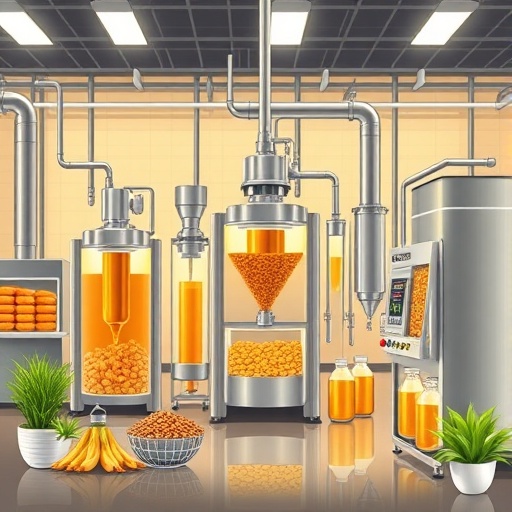
Emerging Technologies in Beverage Customization
Automation and data analytics now enable real-time recipe adjustments during custom blending solutions. Sensors track ingredient performance and predict shelf life for new blends. These tools accelerate development cycles. Producers test prototypes faster and scale successful formulas with minimal waste. Integration with flexible packaging lines allows on-demand printing of labels. Technology continues to refine precision in every stage of manufacturing.
Machine learning algorithms analyze historical batch data to suggest optimal ingredient ratios under varying environmental conditions. Robotic filling systems paired with digital printing heads enable short-run production of personalized labels directly on pouches, supporting hyper-targeted marketing campaigns for niche custom blends.
Consumer Preferences Shaping Custom Blending Solutions
Shoppers seek personalized flavors, reduced sugar options, and clean-label ingredients. These preferences drive demand for custom blends tailored to dietary needs. Brands respond with limited-edition runs that leverage flexible packaging for quick market entry. Solutions for blending must accommodate smaller volumes without sacrificing quality. Consumer feedback loops inform ongoing refinements. The market rewards agility in both formulation and presentation.
Plant-based proteins, functional mushrooms, and adaptogens appear more frequently in new blends as wellness trends evolve. Flexible packaging’s ability to support rapid design changes allows brands to launch seasonal or regionally inspired flavors with minimal lead time, keeping pace with shifting consumer tastes.
The Role of Science in Innovation for Flexible Packaging
Science advances barrier properties and antimicrobial coatings that extend product freshness. Researchers develop films compatible with a wider range of food ingredients and juice concentrates. These breakthroughs support longer distribution chains for custom blends. Testing protocols validate performance under varied conditions. Continued investment in material science promises thinner yet stronger packaging options. The field moves toward fully circular systems that minimize waste.
Nano-coatings and bio-based polymers are under active development to create packaging that actively interacts with the beverage to inhibit microbial growth. These scientific advances, combined with improved recyclability, position flexible packaging as a key enabler for the next generation of sustainable, high-quality custom blending solutions in the beverage industry.