Streamlining Your HVAC System with Custom Spiral Duct Configurations
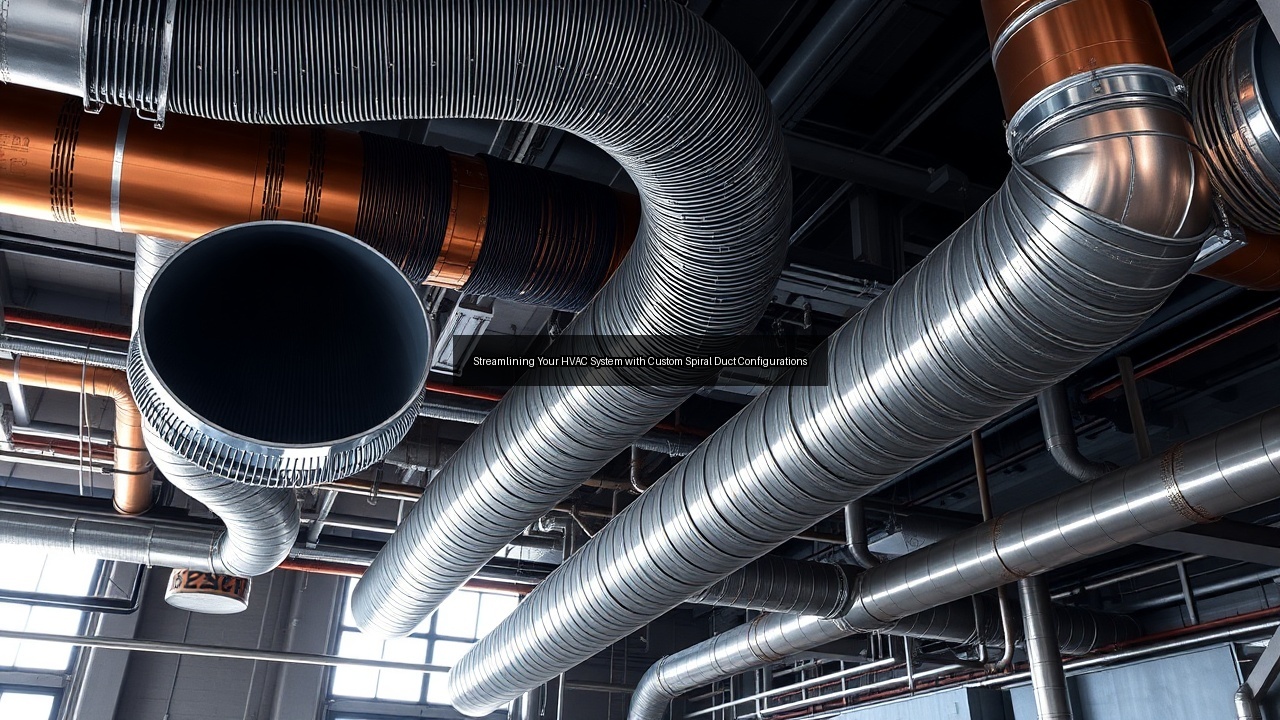
Understanding the Benefits of Spiral Ducting in HVAC Systems
Enhanced Airflow Efficiency
Spiral ducting significantly improves airflow efficiency in HVAC systems. The cylindrical shape of spiral ducts allows air to flow smoothly, reducing turbulence and resistance. Unlike traditional rectangular ductwork, which often leads to corners and bends that disrupt airflow, spiral ducts maintain a consistent internal diameter. This design minimizes pressure loss, enabling heating and cooling systems to operate more effectively. As a result, homes and commercial buildings achieve better temperature regulation, ensuring comfort and energy savings.
Improved Aesthetic Appeal
Spiral ducting offers a modern, sleek appearance that enhances the aesthetic appeal of any space. Many designers and architects prefer spiral ducts for exposed ductwork in commercial settings, as these ducts can add industrial charm. In residential applications, homeowners appreciate the option of leaving ductwork visible without compromising the interior design. Custom spiral duct configurations can be tailored to fit the space, providing both functionality and visual appeal. Instead of hiding unsightly ductwork, spiral ducts can complement the overall décor, creating an inviting atmosphere.
Reduced Dust and Contaminants
Another significant advantage of spiral ducting lies in its ability to reduce dust and contaminants in the air. The smooth interior surface of spiral ducts minimizes the accumulation of dirt and debris, which often plagues traditional rectangular ductwork. This feature contributes to better indoor air quality, particularly in environments with sensitive occupants, such as hospitals and schools. Additionally, regular maintenance becomes easier due to the accessible design, allowing for thorough cleaning and inspection. Ultimately, improved air quality leads to healthier living and working conditions.
Key Components of Spiral Duct Configurations
Ducts and Ductwork Essentials
Understanding the key components of spiral duct configurations is crucial for optimizing HVAC systems. The primary components include the spiral ducts themselves, duct connectors, and supports. Spiral ducts come in various diameters, allowing for customization based on specific airflow requirements. Proper ductwork design ensures efficient air distribution throughout a building. Additionally, using the right duct connectors and supports is essential for maintaining structural integrity and ensuring a leak-free system. High-quality ductwork reduces energy loss and improves overall system performance, making it a vital investment for any HVAC installation.
The Role of Reducers and Pipe Fittings
Reducers and pipe fittings play a critical role in the performance of spiral duct systems. Reducers facilitate smooth transitions between different duct sizes, minimizing airflow disruption. Properly designed reducers maintain pressure and velocity, ensuring that air reaches its destination efficiently. Pipe fittings connect sections of ductwork, allowing for versatile configurations that adapt to various building layouts. Using high-quality fittings and reducers is essential for preventing leaks and maintaining optimal airflow. By carefully selecting these components, HVAC professionals can ensure that their spiral ducting achieves maximum efficiency and longevity.
Material Choices: Stainless Steel vs. Galvanized Steel
Choosing the right material for spiral ducting affects both performance and durability. Stainless steel and galvanized steel are the two most common materials used in HVAC ductwork. Stainless steel offers superior corrosion resistance, making it an excellent choice for environments with high humidity or chemical exposure. Its durability ensures a long lifespan, reducing the need for frequent replacements. On the other hand, galvanized steel remains a cost-effective option that provides strength and resistance to rust. Both materials have unique advantages, and selecting the appropriate one depends on application requirements, budget, and environmental conditions.
Installation Techniques for Optimal Performance
Best Practices for Spiral Duct Installation
Proper installation techniques are vital for the optimal performance of spiral duct systems. Begin by planning the layout carefully, ensuring that all bends and transitions are smooth to promote efficient airflow. Use appropriate sealants and insulation materials to prevent air leaks and maintain temperature. Install the ductwork securely, following the manufacturer’s guidelines for support spacing and hanger placement. Additionally, conduct a thorough inspection after installation to identify any potential issues. Following these best practices helps achieve the maximum efficiency of the HVAC system, ensuring comfort and energy savings for the building’s occupants.
Air Handling Considerations
Air handling plays a crucial role in the effectiveness of spiral ducting. Properly sized ducts and airflow rates ensure that heating and cooling systems work efficiently. Oversized ducts can lead to low velocity and poor air mixing, while undersized ducts can restrict airflow, causing increased energy consumption. Consider the specific requirements of the HVAC system, such as the type of air conditioning or heating being used. Regularly monitor and adjust the system to optimize performance. By paying attention to air handling considerations, HVAC professionals can ensure a comfortable indoor environment while minimizing energy waste.
Common Mistakes to Avoid During Installation
Avoiding common mistakes during spiral duct installation can save time and money. One frequent error involves improper duct sizing, which can lead to inefficient airflow and increased energy costs. Additionally, neglecting to secure joints and connections can result in air leaks, compromising system efficiency. Failing to consider thermal expansion may also lead to duct damage over time. Always double-check measurements and consult with experienced installers to prevent these pitfalls. By being aware of these common mistakes, HVAC professionals can ensure a successful installation and long-lasting performance of spiral duct systems.
Evaluating Spiral Ducting Manufacturers and Pricing
Top Spiral Duct Manufacturers in the HVAC Industry
Identifying reputable spiral duct manufacturers is essential for ensuring quality and reliability in HVAC systems. Leading manufacturers in the industry often provide a wide range of products, including custom spiral duct configurations and various materials. Research the company’s reputation, product offerings, and customer service track record. Reviews and testimonials from other HVAC professionals can provide valuable insights into which manufacturers consistently deliver high-quality products. By choosing trusted manufacturers, HVAC contractors can ensure that their installations meet industry standards and perform reliably over time.
Understanding Pricing Factors and Budgeting
Pricing for spiral ducting can vary significantly based on several factors, including material choice, duct size, and complexity of the configuration. Stainless steel ducts generally command a higher price due to their durability and corrosion resistance. In contrast, galvanized steel offers a more budget-friendly alternative without sacrificing performance. When budgeting for spiral ducting, consider not only the material and installation costs but also potential long-term energy savings. Investing in high-quality ductwork can lead to lower operating costs and improved system efficiency, making it a worthwhile consideration for any HVAC project.
Comparing Spiral Duct Suppliers for Quality and Cost
When selecting spiral duct suppliers, comparing multiple options is crucial for making an informed decision. Evaluate suppliers based on product quality, customer service, delivery times, and pricing. Request quotes from various suppliers to understand the market range and assess value for money. Some suppliers may offer additional services, such as design support or technical assistance, which can greatly benefit HVAC contractors. Establishing a relationship with a reliable supplier can lead to better pricing, timely delivery, and overall satisfaction with the final installation. By carefully evaluating suppliers, HVAC professionals can ensure they receive the best products and services for their projects.