Maximizing Efficiency with Advanced Submerged Arc Welding Machines
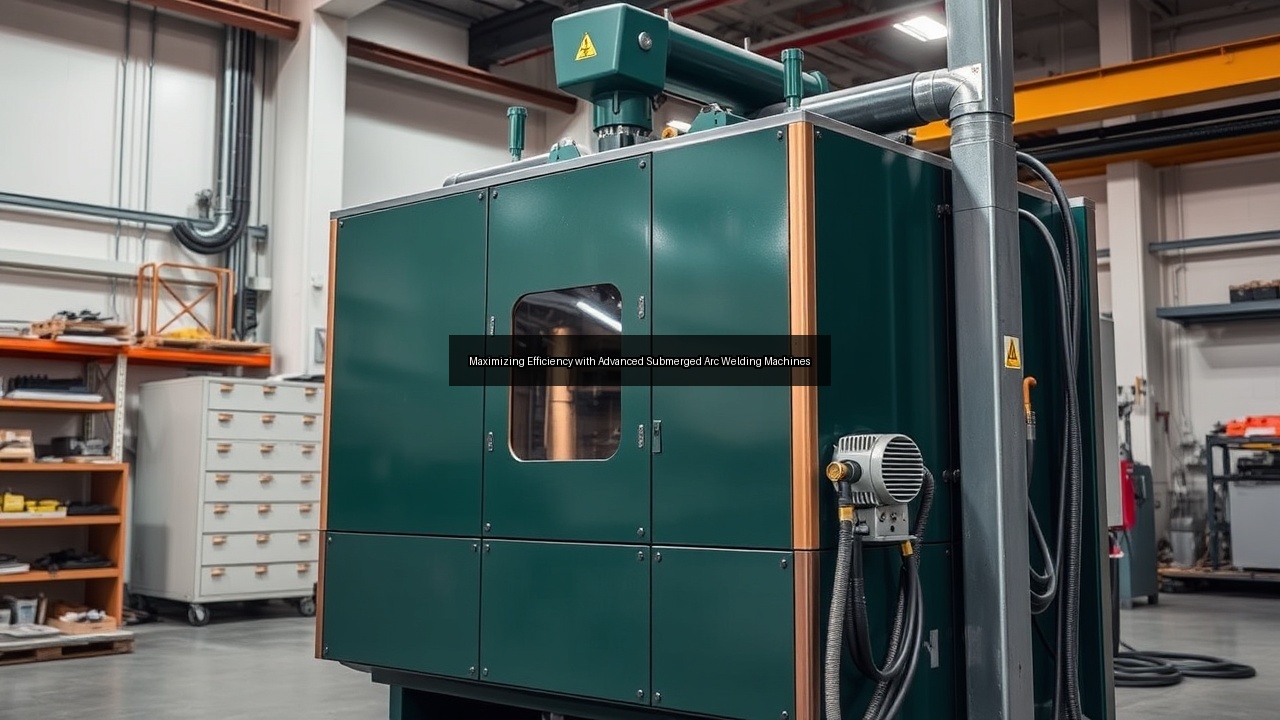
Understanding Submerged Arc Welding Machines
What is Submerged Arc Welding?
Submerged arc welding delivers deep penetration and high deposition rates by hiding the arc beneath a blanket of flux. Welders feed a continuous wire electrode through a welding machine while granulated flux shields the molten pool from atmospheric contamination. This process suits thick metals and produces clean welds without spatter or visible arc glare. Fabricators often pair submerged arc welding equipment with tractors or carriages that move the torch steadily along seams. The method outperforms SMAW in speed and consistency for long joints in pressure vessels or structural beams. Operators adjust voltage and current on the power supply to control bead shape and penetration depth. Sub arc welding also handles carbon steel and low-alloy plates efficiently, reducing the need for multiple passes and minimizing distortion in large assemblies.
Key Components of Submerged Arc Welding Machines
Every advanced submerged arc welding machine relies on a robust power supply that delivers stable AC or DC output. A wire feeder pushes electrode wire from a coil or spool into the weld zone at precise speeds. The flux hopper dispenses granular material ahead of the arc, while a recovery system collects unused flux for reuse. Welding machines also incorporate contact tips, nozzles, and travel carriages that maintain consistent torch height and speed. Digital controls allow welders to store parameters for repeatable results across shifts. Filters and sensors monitor voltage fluctuations and wire feed accuracy to prevent defects. Together these elements create reliable arc welding equipment capable of sustained operation in demanding shop environments.
Types of Submerged Arc Welding Systems
Single-wire systems remain the most common choice for straightforward longitudinal seams and circumferential welds. Twin-wire and tandem configurations increase deposition rates by feeding two electrodes simultaneously from separate coils. Portable subarc units mount on tractors for field work on pipelines or storage tanks. Fixed gantry designs handle massive fabrication projects where multiple passes occur on thick plate. Some welding machines integrate with plasma cutting stations to combine edge preparation and welding in one setup. Multi-arc variants allow parallel operation on wide joints, boosting throughput in heavy fabrication. Each type matches specific weldability requirements of metals ranging from stainless steel to high-strength alloys.
Benefits of Using Advanced Submerged Arc Welding Machines
Increased Efficiency and Productivity
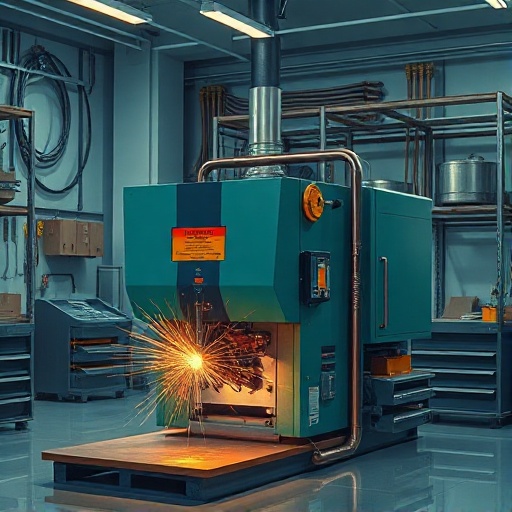
Advanced submerged arc welding machines achieve deposition rates exceeding 20 pounds per hour, far surpassing manual processes. Continuous wire feed and automated travel eliminate frequent stops for electrode changes. Welders maintain steady output across long shifts because the flux blanket suppresses fumes and ultraviolet radiation. Integrated tractors and positioners keep the arc moving without constant manual guidance. Higher travel speeds reduce overall cycle time on beams, tanks, and ship hulls. Power supplies with rapid response stabilize the arc during minor variations in joint fit-up. These gains compound when shops run multiple machines in parallel, delivering finished fabrications ahead of schedule while maintaining quality standards.
Improved Weld Quality and Consistency
The submerged flux layer protects the weld pool, producing smooth beads with minimal undercut or porosity. Consistent voltage and wire speed settings ensure uniform penetration across entire seams. Welders review digital logs from the machine to verify parameters stayed within tolerance. Flux formulations tailored to specific alloys improve weldability and mechanical properties. Automated height control prevents arc wandering on uneven surfaces. Post-weld inspection shows fewer defects compared with open-arc methods, cutting rework hours significantly. This repeatability supports stringent codes in pressure vessel and structural steel applications.
Cost-Effectiveness in Large Fabrication Projects
High deposition rates lower labor hours per ton of deposited weld metal. Flux recovery systems reduce consumable waste and disposal costs. Fewer passes mean less grinding and cleaning between layers. Welding machines equipped with efficient power supplies consume less electricity per foot of weld. Fabricators amortize equipment investment quickly on high-volume contracts involving carbon steel plate or stainless steel piping. Reduced distortion cuts subsequent machining or straightening expenses. Overall project budgets benefit from predictable schedules and lower consumable inventories when teams standardize on proven submerged arc welding equipment.
Choosing the Right Submerged Arc Welding Machine
Factors to Consider When Selecting a Machine
Assess joint thickness, required deposition rate, and available shop power before purchasing any submerged arc welding machine. Evaluate wire diameter range and flux compatibility with the metals you weld regularly. Consider travel carriage options and whether the machine supports single or multi-wire operation. Check duty cycle ratings and cooling capacity for continuous production shifts. Digital interfaces that store weld schedules speed setup for repeat jobs. Verify service support and parts availability for the chosen brand. Factor in integration potential with existing positioners or plasma cutters to streamline workflow.
Comparison of Leading Brands in Submerged Arc Welding
ESAB offers robust subarc systems known for reliable power supplies and extensive flux-wire pairings suited to stainless steel and alloys. Lincoln Electric machines emphasize automation features and tractor-mounted designs popular in heavy fabrication. Miller provides compact units that balance portability with high output for field applications. Each brand supplies compatible consumables and training resources that help welders optimize settings quickly. Buyers compare warranty terms, software updates, and local distributor support when evaluating submerged arc welding equipment. Real-world feedback from shops running similar workloads guides final selections.
Understanding Power Supply and Voltage Needs
Most submerged arc welding machines operate on three-phase input for stable arc characteristics. Constant voltage power supplies maintain steady wire melt-off rates while constant current units suit specific electrode types. Voltage settings typically range from 25 to 45 volts depending on wire size and travel speed. AC output reduces arc blow on magnetic materials, while DC provides deeper penetration on thicker sections. Welders monitor primary power fluctuations and install stabilizers when necessary. Proper voltage selection directly influences bead profile, fusion quality, and overall efficiency of the welding process.
Applications of Submerged Arc Welding in Industry
Welding in Heavy Fabrication and Construction
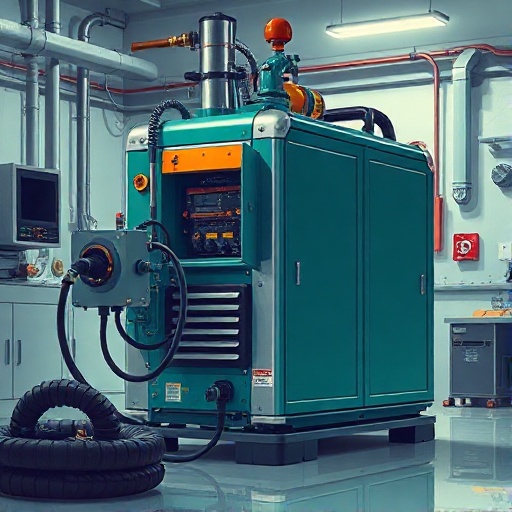
Structural steel fabricators rely on submerged arc welding machines to join wide flange beams and box sections for bridges and buildings. Long seams in storage tanks and pressure vessels benefit from high travel speeds and deep penetration. Shipyards deploy gantry-mounted systems to weld hull plates with minimal distortion. Construction crews use tractor-driven units on site for splice joints in columns and girders. The process handles multi-pass welds on thick carbon steel efficiently, meeting code requirements for strength and toughness. Shops combine subarc with other arc welders to complete complex assemblies on schedule.
Utilizing Subarc Welding for Stainless Steel and Alloys
Specialized flux and wire combinations enable submerged arc welding of stainless steel and nickel alloys without excessive heat input. Welders select low-carbon electrodes to preserve corrosion resistance in chemical processing equipment. Precise control of voltage and travel speed prevents sensitization in the heat-affected zone. Fabrication of food-grade tanks and pharmaceutical vessels demands clean welds free of inclusions. Sub arc welding equipment with automated flux delivery maintains consistent shielding on vertical and overhead positions. These capabilities expand the range of weldable materials beyond standard carbon steels.
Role of Submerged Arc Welding in Agriculture and Tractors
Manufacturers of agricultural equipment use submerged arc welding machines to fabricate heavy frames and implements for tractors. Long seams on plow beams and harrow sections receive high-strength welds with minimal spatter. The process joins wear-resistant plates to carbon steel bases efficiently. Portable subarc units allow field repairs on large tractor components without extensive disassembly. Flux formulations suited to dirty or painted surfaces improve weldability in repair shops. Reliable arc welding equipment keeps downtime low during peak planting and harvest seasons.
Future Trends in Submerged Arc Welding Technology
Advancements in Welding Equipment and Automation
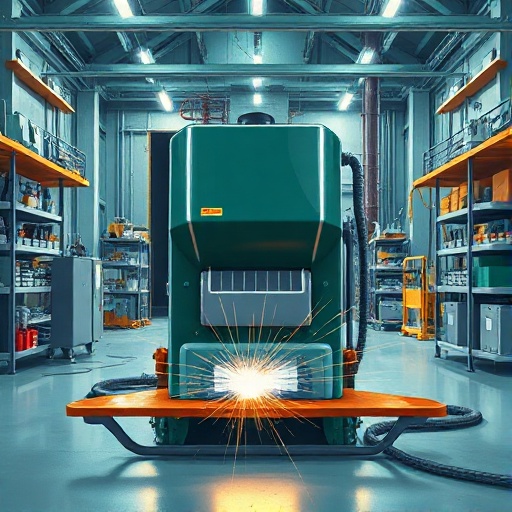
Modern submerged arc welding machines incorporate servo-driven wire feeders and adaptive controls that adjust parameters in real time. Robotic integration allows continuous operation on complex geometries with minimal operator intervention. Sensors detect joint variations and compensate automatically to maintain bead quality. Advanced power supplies deliver pulsed waveforms that reduce heat input while preserving deposition rates. These developments increase overall efficiency and expand applications in precision fabrication.
Integration of Plasma Cutting with Submerged Arc Welding
Combined plasma cutting and submerged arc welding cells prepare edges and complete joints in a single setup. Plasma cutters produce clean bevels that improve fusion on thick plate. Integrated controls synchronize cutting and welding sequences to reduce material handling. Shops gain floor space and shorten throughput times when both processes share common power supplies and fixturing. This hybrid approach suits high-volume production of structural components and pressure vessel sections.
The Impact of Digitalization on Welding Processes
Cloud-connected welding machines collect data on voltage, current, and wire usage for each weld. Analytics identify trends that predict maintenance needs before breakdowns occur. Welders access parameter libraries from tablets to standardize procedures across multiple machines. Digital twins simulate weld outcomes before production begins, reducing trial runs. These tools support continuous improvement and quality documentation demanded by modern fabrication contracts.
See Also
- The Role of Flux in Enhancing Submerged Arc Welding Performance
- The Evolution of Submerged Arc Welding Technology in Modern Manufacturing
- Choosing the Right Submerged Arc Welder for Your Metal Projects
- Understanding Power Supply Requirements for Optimal Submerged Arc Welding
- How Submerged Arc Welding Machines are Shaping the Future of Heavy Industry