From Design to Production: The Journey of CNC Machined Plastics
Understanding CNC Machining for Plastics
What is CNC Machining?
CNC machining stands for Computer Numerical Control machining, a revolutionary manufacturing process that utilizes computerized controls to operate machine tools. This technology allows for precise and repeatable machining of various materials, including metals, wood, and most importantly, plastics. CNC machines interpret digital files and convert them into physical components, making them ideal for both prototyping and large-scale production. This process enhances accuracy and reduces human error while ensuring high-quality output. In the realm of plastics, CNC machining stands out for its ability to create complex shapes and intricate designs that traditional manufacturing methods struggle to achieve.
The Role of CNC in Plastic Fabrication
CNC machining plays a pivotal role in plastic fabrication, allowing manufacturers to produce components that meet exact specifications. The technology enables the creation of custom parts machined from engineering plastics, which are essential for various industries, including aerospace, automotive, and medical. CNC mills and routers can efficiently cut, shape, and drill plastics, transforming raw materials into finished products with minimal waste. This capability not only accelerates the production timeline but also supports innovation by enabling the rapid iteration of designs. The integration of CNC technology into plastic fabrication processes has redefined the standards for speed, precision, and flexibility in manufacturing.
Benefits of CNC Machining for Plastics
The advantages of CNC machining for plastics are numerous. First, it offers unparalleled precision, which is crucial when creating components that must fit together seamlessly. The automated nature of CNC machines also improves efficiency, allowing for quicker turnaround times without sacrificing quality. Additionally, CNC machining facilitates the use of high-performance plastics, such as ULTEM and Teflon, which possess unique properties that enhance product performance. Customization options abound, enabling manufacturers to create bespoke parts tailored to specific applications. Furthermore, CNC's ability to handle complex nonmetallic parts expands the scope of what is possible in plastic manufacturing, making it an essential tool for modern production needs.
Materials Used in CNC Plastic Machining
Overview of High-Performance Plastics
High-performance plastics are engineered to withstand extreme conditions, making them ideal candidates for CNC machining. These materials, such as PEEK, acetal, and PTFE, offer superior mechanical properties, thermal resistance, and chemical stability. Their resilience makes them suitable for challenging environments found in aerospace, automotive, and industrial applications. Machining these advanced polymers requires specialized knowledge and equipment to ensure optimal results. Experienced machinists understand the unique characteristics of each material, from their machinability to their thermal expansion rates, ensuring that the final components meet stringent performance criteria. By leveraging high-performance plastics, manufacturers can produce custom plastic parts built to specification, enhancing durability and functionality.
Exploring ULTEM and Its Applications
ULTEM, a high-performance thermoplastic, stands out for its exceptional strength and thermal stability. This material is particularly favored in industries that require components to endure harsh conditions without compromising integrity. ULTEM's resistance to heat, chemicals, and moisture makes it a top choice for applications in the aerospace and medical fields, where reliability is critical. CNC machining allows for precise shaping and finishing of ULTEM components, enabling the creation of complex geometries needed for specialized products. Whether it’s for creating housings, medical devices, or aerospace components, ULTEM's versatility as a machined polymer makes it an invaluable resource for innovative manufacturing solutions.
The Advantages of Teflon in CNC Machining
Teflon, known for its low friction and non-stick properties, is another high-performance plastic that excels in CNC machining. Its ability to resist corrosion and high temperatures makes it ideal for applications that require a durable and reliable material. In the machining process, Teflon can be shaped into custom components that serve various industries, including food processing and electronics. The unique properties of Teflon allow for the production of precision components that withstand wear and tear, enhancing the lifespan of the products they comprise. Specialists in high-performance plastic components often turn to Teflon for solutions that require both performance and longevity, making it a staple in CNC machined plastics.
The CNC Machining Process: From Design to Production
Designing for CNC: Key Considerations
Designing for CNC machining involves several key considerations that impact the efficiency and feasibility of production. First, engineers must ensure that the designs are compatible with CNC capabilities, which often include specific tolerances and geometries. The choice of material also plays a crucial role in the design process; different plastics respond uniquely to machining techniques. Advanced software tools help designers create detailed models that can be directly translated into CNC programs. Additionally, factors such as tool selection, cutting speeds, and feed rates must be optimized to achieve the best results. Engaging with experienced machinists early in the design phase can lead to smoother production processes and better end products, ensuring that the custom plastic parts built to specification meet all performance requirements.
Routing and Milling in CNC Machining
Routing and milling are two integral processes in CNC machining that allow for the shaping of plastics into desired forms. Routing typically involves cutting out shapes from a flat sheet of material, while milling refers to the removal of material from a workpiece to create complex three-dimensional parts. Both processes utilize specialized CNC machines an experienced plastic machining partner equipped with the necessary tooling for plastics, ensuring clean cuts and precise dimensions. The choice between routing and milling depends on the specific requirements of the project, including the complexity of the part and the material used. By leveraging these techniques, manufacturers can efficiently produce intricate designs while maintaining high quality and accuracy throughout the machining process.
Machining Centers: The Heart of Production
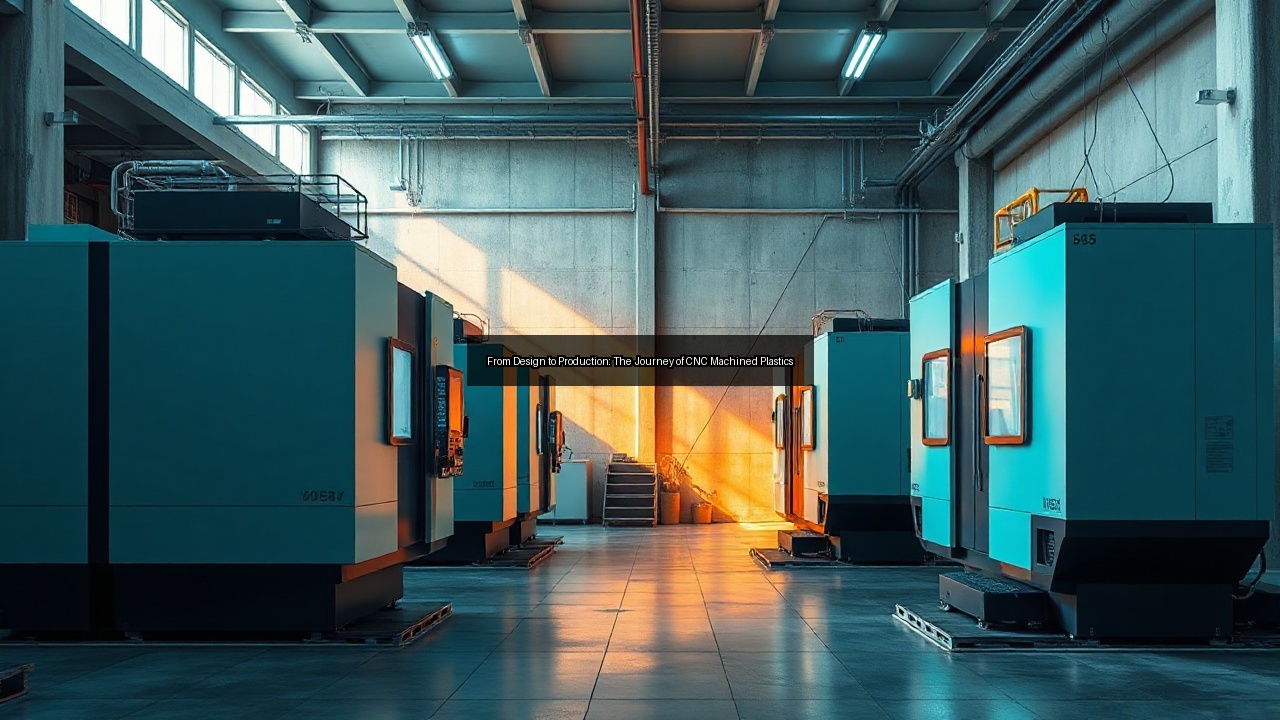
Machining centers serve as the backbone of CNC plastic machining operations. These multi-function machines integrate various machining processes—such as milling, drilling, and tapping—into a single unit, enhancing efficiency and productivity. Modern machining centers feature advanced programming capabilities, allowing for quick changes between operations and minimizing downtime. This versatility is essential for manufacturers producing precision components from advanced polymers. By employing machining centers, companies can streamline their workflows and reduce lead times for custom parts. The ability to handle complex nonmetallic parts in a single setup also lowers the risk of errors, ensuring that every piece meets the high standards expected in today’s competitive market.
Choosing the Right CNC Plastic Machining Manufacturer
Evaluating Expertise in Machining Complex Nonmetallic Parts
Selecting the right CNC plastic machining manufacturer hinges on their expertise in handling complex nonmetallic parts. Experienced machinists understand the intricacies of machining various plastics and can navigate the challenges presented by advanced materials. When evaluating potential partners, consider their track record with similar projects and the technology they employ. Manufacturers that invest in state-of-the-art CNC machinery and training demonstrate a commitment to quality and innovation. A partner with a proven ability to produce precision components made from engineering plastics will ensure that your projects are executed smoothly and efficiently.
The Importance of Customization in High-Performance Components
Customization plays a vital role in the success of high-performance components. Each project presents unique requirements, from specific dimensional tolerances to material selections. A capable CNC plastic machining manufacturer understands the significance of tailoring solutions to meet these demands. By offering bespoke services, manufacturers can create custom plastic parts that align perfectly with client specifications. This level of customization not only enhances product performance but also fosters collaboration and innovation between manufacturers and clients. Choosing a manufacturer that prioritizes customization helps ensure that your components are not only functional but also optimized for their intended applications.
Finding a Reliable Partner for Precision Plastic Components
Finding a reliable CNC plastic machining manufacturer involves thorough research and due diligence. Look for companies that have demonstrated expertise in machining complex nonmetallic parts and have a robust portfolio showcasing their capabilities. Reviews and testimonials from previous clients can provide valuable insights into their reliability and quality of service. Additionally, assess their production capacity and turnaround times to ensure they can meet your project deadlines. Establishing a partnership with an experienced plastic machining partner can streamline the production process and lead to successful outcomes. By taking the time to find the right manufacturer, you secure not only high-quality components but also a collaborative relationship that fosters innovation and growth.
See Also
- Your Go-To Guide for Finding a Reliable CNC Plastic Machining Partner
- Exploring the Versatility of CNC Machining in the Plastic Industry
- Navigating the World of CNC Machining for High-Performance Plastics
- Why American Manufacturers Are Turning to CNC Plastic Machining
- Discovering the Benefits of CNC Milling in Plastic Fabrication