Exploring the Benefits of Custom Wire Shapes in Various Industries
Understanding Custom Wire Shapes
The Process of Wire Forming
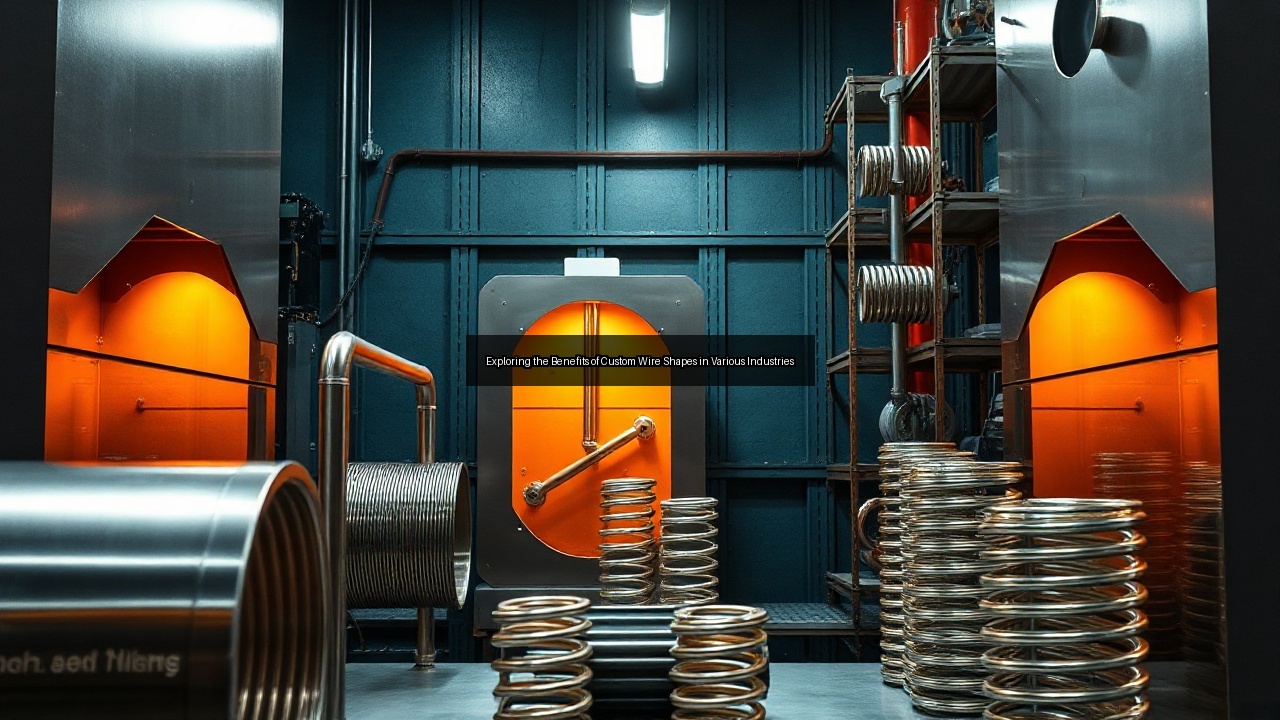
Wire forming involves shaping wires into specific configurations for various applications. The process begins with raw materials, typically stainless steel or other alloys, which are drawn through dies to achieve the desired diameter. This initial drawing phase creates a uniform wire that serves as the foundation for further manipulation. Once the wire reaches the appropriate size, it undergoes bending, twisting, and other techniques to form custom shapes. These shapes can vary significantly, ranging from simple curves to complex geometrical patterns. The versatility of wire forming allows engineers to create components tailored precisely to their specifications, enhancing the functionality and performance of the end product.
Different Wire Forming Methods
Several wire forming methods exist, each suited to different applications and materials. Common techniques include bending, coiling, and threading. Bending forms wire into angular shapes, while coiling creates spiral forms, often used in applications like coil springs. Threading involves cutting grooves into the wire, allowing it to fit securely with other components. Advanced methods, such as Computer Numerical Control (CNC) wire forming, utilize automated machines to achieve high precision and repeatability in creating wire shapes. Other processes, like extrusion, push heated metal through a die to form continuous shapes, which can then be cut into specified lengths. Each method provides unique advantages, enabling manufacturers to choose the ideal process based on the project's requirements.
Key Considerations in Wire Shaping
When engaging in wire shaping, several critical factors come into play. Engineers must consider the diameter of the wire, as thicker wires may require more force to manipulate and may not achieve the same intricate shapes as thinner wires. Tolerances are another wire formed crucial aspect; precise measurements ensure that each wire form fits perfectly into its intended application. Material selection greatly impacts performance; stainless steel, for instance, offers corrosion resistance and strength, making it a popular choice for many industries. Additionally, the intended application must guide the design process. For example, aerospace components demand rigorous standards for safety and reliability, while automotive parts may prioritize lightweight designs for efficiency. Balancing these considerations leads to optimal wire shapes that meet specific industry demands.
Applications of Custom Wire Shapes Across Industries
Aerospace Industry: Safety and Precision
The aerospace industry relies heavily on custom wire shapes for various components, from structural supports to wiring harnesses. Engineers require high precision in these applications, as even minor deviations can lead to catastrophic failures. Custom wire shapes made from stainless steel or lightweight alloys provide the necessary strength-to-weight ratio, enhancing aircraft performance while ensuring safety. Additionally, aerospace components often undergo rigorous testing to meet stringent regulations, which demands that custom wire shapes adhere to tight tolerances. The ability to produce complex geometries allows manufacturers to innovate continually, creating parts that enhance aerodynamics and reduce drag. Furthermore, the integration of advanced wire forming technologies, such as CNC machinery, ensures that each component meets the exact specifications required for safe operation in challenging environments.
Automotive Industry: Efficiency and Innovation
In the automotive sector, custom wire shapes play a pivotal role in driving efficiency and innovation. Manufacturers use formed wire components in various applications, including suspension systems, engine mounts, and electrical systems. The shift toward electric vehicles (EVs) has heightened the demand for lightweight materials and designs, prompting engineers to explore custom wire shapes that meet these new requirements. Tailored wire forms can significantly reduce weight without compromising strength, leading to improved fuel efficiency and vehicle performance. Additionally, the prototyping phase benefits from custom wire shapes, allowing manufacturers to test designs quickly and make necessary adjustments before full-scale production. This agility fosters innovation, enabling car manufacturers to stay competitive in an ever-evolving market.
Medical Devices: Meeting Strict Tolerances
The medical device industry demands the highest quality and precision, making custom wire shapes indispensable in this field. From stents to surgical instruments, formed wire components often require strict tolerances to ensure safety and efficacy. Engineers rely on wire forming processes to create intricate designs that accommodate complex functionalities, such as flexibility and strength. Stainless steel wire, known for its biocompatibility and durability, is commonly used in these applications. The ability to customize wire shapes allows manufacturers to develop innovative solutions tailored to specific medical needs. Moreover, the prototyping process in the medical field benefits from rapid iterations, enabling manufacturers to refine designs before regulatory approval. This focus on precision and innovation ensures that medical devices meet the rigorous standards necessary for patient safety and effective treatment.
The Advantages of Using Custom Wire Shapes
Enhanced Design Flexibility
Custom wire shapes offer unparalleled design flexibility, allowing engineers to create components that fit unique specifications. This adaptability is particularly valuable in industries requiring specialized solutions, such as aerospace, automotive, and medical devices. Manufacturers can produce wire forms in various shapes, sizes, and materials, accommodating the specific needs of each project. Whether designing intricate coil springs for automotive suspensions or specialized wire harnesses for aerospace applications, the ability to customize wire shapes enables engineers to innovate effectively. Furthermore, the prototyping phase benefits significantly from this flexibility. Rapid iterations of wire designs allow for quick testing and modification, leading to optimized final products that fulfill performance criteria while minimizing material waste.
Cost-Effectiveness in Prototyping
Custom wire shapes streamline the prototyping process, resulting in significant cost savings. Traditional manufacturing methods often involve lengthy lead times and high initial costs for tooling and setup. Custom wire forming techniques, particularly those utilizing CNC machines, reduce these expenses by enabling rapid production of prototypes. Manufacturers can quickly produce multiple iterations of wire forms, allowing for real-time testing and adjustments. This agility not only shortens the time to market but also minimizes the risk of costly errors in full-scale production. By investing in custom wire shapes, companies can optimize their resources, ensuring that prototype development remains efficient and cost-effective. This approach ultimately supports innovation and competitiveness across various industries.
Improved Performance with Tailored Materials
Using custom wire shapes enhances product performance through tailored material selection. Engineers can choose from various materials, including stainless steel, aluminum, and specialty alloys, based on the specific requirements of the application. Each material offers unique properties, such as strength, weight, and corrosion resistance, allowing manufacturers to optimize performance. For instance, aerospace applications often leverage lightweight alloys to improve fuel efficiency, while medical devices may require biocompatible materials to ensure patient safety. Additionally, custom wire shapes can integrate advanced features, such as threaded ends for secure connections or unique geometries that enhance functionality. This ability to tailor both shape and material leads to superior performance, ultimately benefiting end users across multiple industries.
Technological Advancements in Wire Forming
Role of Computer Numerical Control (CNC) in Wire Forming
CNC technology revolutionized wire forming by introducing precision and automation to the manufacturing process. CNC machines utilize advanced software to control the movement of tools and materials, allowing for intricate designs and repeatability in production. This technology significantly enhances the accuracy of custom wire shapes, ensuring that each component meets the wire formed specified tolerances. The ability to program complex wire forms into CNC machines reduces human error and increases efficiency, making it easier for manufacturers to produce high-quality parts consistently. As industries increasingly demand customized solutions, CNC wire forming capabilities have become essential, enabling quick adjustments and iterations in design while maintaining high production standards.
Innovations in Wire Extrusion and Drawing Techniques
Recent innovations in wire extrusion and drawing techniques have transformed the wire forming landscape. Extrusion allows manufacturers to create continuous wire shapes by forcing heated materials through specialized dies, resulting in uniform profiles that can be cut to length. This method streamlines production and enhances material flow, contributing to reduced waste. Advances in drawing techniques also allow for greater control over the wire’s diameter and mechanical properties, ensuring optimal performance in various applications. These innovations not only improve the efficiency of wire forming processes but also expand the range of shapes and materials that manufacturers can utilize, driving further advancements across multiple industries.
Future Trends in Wire Forming Services
The future of wire forming services promises exciting developments as technology continues to evolve. Increased automation and integration of artificial intelligence may enhance design capabilities, allowing for even more complex and efficient wire shapes. Additionally, the push for sustainability in manufacturing is likely to influence material selection and processes, encouraging the use of eco-friendly materials and waste-reducing practices. As industries seek to innovate while minimizing their environmental impact, wire forming services will adapt to meet these changing demands. Embracing these trends will empower manufacturers to remain competitive and responsive to the ever-evolving marketplace, ensuring that custom wire shapes continue to play a vital role in engineering solutions across diverse sectors.