How to Choose the Right API Flange for Your Pumping Needs

Understanding API Flanges and Their Importance
What are API Flanges?
API flanges stand as essential components in industrial piping systems, designed and standardized by the American Petroleum Institute to ensure reliability under high-pressure conditions. These pipe flanges connect pipes, valves, pumps, and fittings securely, preventing leaks and maintaining system integrity. Manufacturers produce API flanges from robust materials like carbon steel and stainless steel, tailoring them for demanding environments such as oil and gas operations or water treatment plants.
The American Petroleum Institute establishes rigorous specifications for these flanges, covering dimensions, tolerances, and performance criteria. This standardization guarantees compatibility across equipment from different suppliers. For instance, in pumping systems, API flanges handle extreme pressures up to thousands of psi, making them indispensable for wellhead connections and pipeline assemblies. Engineers rely on these flanges to avoid failure in critical applications, where even minor defects could lead to catastrophic outcomes.
Beyond petroleum, API flanges find use in diverse sectors, including wastewater treatment and power generation. Their flanged design allows easy assembly and disassembly, facilitating maintenance in complex setups. When selecting pipe flanges, consider API standards alongside complementary ones like ANSI for broader interoperability. This approach ensures your pumping needs meet both safety and efficiency demands, drawing on decades of engineering expertise from the industry.
The Role of API Flanges in Pumping Systems
API flanges play a pivotal role in pumping systems by providing robust connections that withstand dynamic forces from fluid movement and pressure surges. In a typical setup, these flanges link pumps to pipes, valves, and expansion joints, ensuring seamless flow in applications from municipal waterworks to industrial wastewater processing. Without properly rated API flanges, systems risk leaks, vibrations, or outright failure, compromising operational safety.
Pumps generate significant pressure, often measured in psi, and API flanges counter this with their high-strength construction. For example, in a wellhead pumping scenario, flanges secure the assembly against corrosive fluids and thermal expansion. Standardization from the American Petroleum Institute ensures these components integrate flawlessly with other fittings, reducing downtime in plants and factories. Operators in waterworks benefit from API flanges' durability, which aligns with AWWA guidelines for potable water distribution.
Moreover, API flanges enhance system modularity. Technicians can swap out sections without full disassembly, a key advantage in maintenance-heavy environments like wastewater treatment facilities. By incorporating these flanges, engineers achieve precise control over flow rates and pressures, optimizing pump performance. This reliability translates to cost savings and extended equipment life, underscoring why API flanges remain a cornerstone of modern pumping engineering.
Key Standards: API, ASME, and ASTM
The American Petroleum Institute sets the gold standard for API flanges, outlining specifications that dictate material quality, pressure ratings, and dimensional accuracy. These API standards ensure flanges perform reliably in high-stakes environments, such as oilfield pumping or chemical processing plants. Compliance with API prevents issues like overbore or misalignment, which could lead to system failure.
ASME, or the American Society of Mechanical Engineers, complements API by providing broader codes for pressure vessels and piping. ASME B16.5, for instance, covers pipe flanges and flanged fittings, influencing API designs for enhanced safety. Manufacturers often dual-certify products to meet both API and ASME requirements, guaranteeing interoperability with valves and pumps across industries. This synergy supports standardization, making it easier to source components from various suppliers.
ASTM International contributes material testing protocols, ensuring steel used in API flanges—whether carbon steel or stainless steel—meets tensile strength and corrosion resistance benchmarks. ASTM standards like A105 for forgings underpin API specifications, while ANSI and SAE add layers for automotive and general engineering applications. In waterworks and wastewater systems, AWWA standards integrate these to protect public infrastructure. Together, these bodies foster a unified framework, helping engineers select flanges that align with project specifications and regulatory demands.
Types of API Flanges and Their Applications
Common API Flange Types
API flanges come in several types, each suited to specific pumping needs based on pressure, temperature, and connection style. Weld neck flanges top the list for high-pressure applications; their long tapered hub welds directly to pipes, minimizing stress concentrations in pump assemblies. Slip-on flanges offer easier installation for lower-pressure systems, sliding over pipe ends before welding, ideal for wastewater lines where accessibility matters.
Blind flanges seal pipe ends, providing temporary caps during pump testing or maintenance in plants. Socket weld flanges excel in smaller diameters, inserting pipes into sockets for strong, leak-proof joints in valve connections. Threaded flanges, less common in high-vibration setups, screw onto pipes for quick adjustments in modular pumping systems. Each type adheres to API specifications, ensuring compatibility with fittings and bellows.
Selecting the right type depends on the application's demands. For instance, in oil and gas wellheads, weld neck API flanges handle extreme psi ratings, while waterworks favor slip-on variants for cost-effective expansions. Manufacturers customize these with coatings to combat corrosion, enhancing longevity. Understanding these variations—API flange types—empowers engineers to match flanges to pumps, valves, and pipes, optimizing system performance and safety.
API Flange Sizes and Specifications
API flange sizes range from nominal pipe sizes of 1/2 inch to over 36 inches, with specifications detailing bolt circles, thicknesses, and pressure classes up to 2500 psi or higher. These dimensions follow API 6A or 5L standards, ensuring precise fits in pumping systems. Engineers reference API flange sizes charts to match flanges with pipe diameters, avoiding mismatches that cause leaks or failures.
Specifications include hub diameters, raised faces for gasket seating, and drilling patterns compatible with ANSI bolts. For high-pressure pumps, Class 900 or 1500 flanges provide the necessary robustness, while lower classes suit municipal waterworks. Stainless steel options add corrosion resistance for wastewater applications, aligning with ASTM material specs. Manufacturers list these details in catalogs, covering imperial measurements primarily, though metric equivalents exist for global projects.
API flange specifications emphasize traceability, with markings indicating material grade, size, and rating. This transparency aids in compliance during inspections at factories or sites. In practice, selecting the correct size prevents overbore issues, where undersized bores restrict flow in pump lines. By prioritizing these specs, teams ensure efficient, standardized installations that support long-term reliability in diverse engineering contexts.
Applications in Waterworks and Wastewater Systems
In waterworks, API flanges secure connections in pump stations and distribution networks, handling clean water flows under moderate pressures. AWWA standards often reference API designs for flanged joints, ensuring durability against scaling and minor corrosives. These flanges integrate with valves and pipe fittings, facilitating expansions in treatment plants without disrupting service.
Wastewater systems demand API flanges for their resilience against abrasive slurries and chemicals. Stainless steel variants resist pitting in sewage pumps, while carbon steel options with epoxy coatings extend life in underground lines. Applications span from lift stations to outfall pipes, where flanges manage pressure fluctuations from variable pump speeds. Wellhead-style flanges adapt for groundwater extraction, tying into broader pumping needs.
Benefits of API flanges in these sectors include easy maintenance and modular design, reducing downtime in urban infrastructure. Engineers specify them for high-psi zones near pumps, preventing failures that could contaminate environments. With standardization from API and AWWA, these flanges support sustainable water management, from filtration plants to reclamation facilities. Their versatility underscores why they remain staples in municipal and industrial water engineering.
Selecting the Right API Flange for Your Needs
Factors to Consider: Pressure Ratings and Material Types
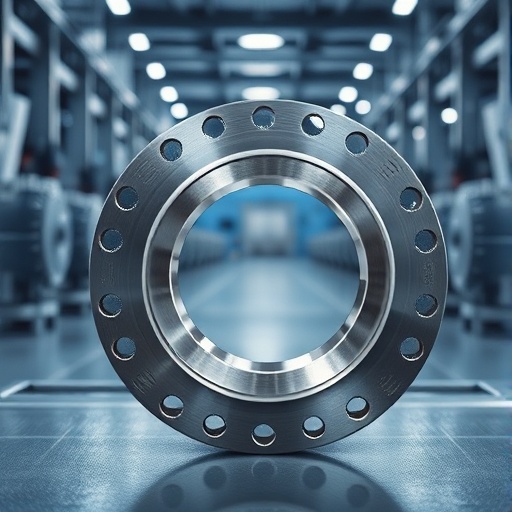
Pressure ratings guide API flange selection, with classes from 150 to 2500 psi dictating suitability for pumping intensities. High-pressure pumps in oilfields require 2000-series flanges to contain forces, while waterworks use 150-psi ratings for steady flows. Exceeding a flange's psi limit risks gasket blowouts or structural failure, so match ratings to system peaks.
Material types—carbon steel for cost-effectiveness or stainless steel for corrosion resistance—further refine choices. Carbon steel suits dry, low-corrosive environments like air pumping, but stainless steel shines in wastewater with acidic effluents. API specifications mandate testing for yield strength, ensuring materials withstand thermal cycling near valves and bellows. Engineers weigh these against budgets, prioritizing steel grades per ASTM for optimal performance.
Additional factors include temperature tolerance and media compatibility. For hot fluids in industrial plants, alloy steels prevent warping. Experience from manufacturers helps navigate these decisions, offering simulations for pressure scenarios. By evaluating ratings and materials holistically, teams secure API flanges that enhance pump efficiency and longevity, minimizing risks in demanding applications.
Understanding Flange Variations: Metric vs. Imperial
API flanges primarily use imperial measurements, with sizes in inches and pressures in psi, aligning with American standards like ASME. This imperial system dominates U.S.-based pumping projects, from wellheads to factories, ensuring compatibility with legacy equipment. Bolt patterns and hub diameters follow inch-based specs, simplifying sourcing for domestic manufacturers.
Metric variations emerge in international contexts, converting imperial to millimeters for global standardization. SAE and ISO influences introduce metric flanges, useful in European wastewater systems or metric-pipe integrations. Engineers must verify conversions to avoid mismatches— a 6-inch imperial flange equals roughly 150mm metric—preventing assembly errors in cross-border plants.
Choosing between them depends on project locale and supplier base. Imperial prevails for API compliance in oil and gas, while metric aids precision in engineering firms using CAD software. API flange variations like these demand clear documentation to maintain integrity. Addressing these differences ensures seamless fits with pumps, valves, and fittings, supporting efficient, error-free installations worldwide.
Coatings and Treatments: Epoxy, Galvanized, and Zinc Plated Options
Epoxy coatings protect API flanges from corrosion in harsh environments, forming a barrier against moisture and chemicals in wastewater pumps. Applied post-machining, epoxy enhances carbon steel's lifespan, meeting ASTM durability tests. In waterworks, it prevents rust in buried lines, reducing maintenance costs over decades.
Galvanized treatments involve zinc layering via hot-dipping, ideal for outdoor pumping setups exposed to weather. This coating sacrifices itself to shield the base steel, extending service in coastal plants or wellheads. Zinc plated options provide thinner protection for indoor flanges, resisting scratches during handling in factories.
Selecting coatings balances exposure and aesthetics. Epoxy suits submerged applications, galvanized for atmospheric corrosives, and zinc plating for light-duty valves. Manufacturers offer these per API specs, with experience guiding custom applications. These treatments not only prevent failure but also comply with environmental regs, ensuring safe, long-lasting pipe flanges in diverse pumping scenarios.
Manufacturing and Machining Considerations
The Role of Fabrication in Flange Production
Fabrication forms the backbone of API flange production, starting with forging or casting steel blanks in specialized factories. Manufacturers heat carbon or stainless steel to shape hubs and faces, adhering to API specifications for uniformity. This process integrates pipe fittings seamlessly, preparing flanges for high-pressure pump connections.
Welding and assembly follow, where fabricators join components under controlled conditions to avoid defects. In wellhead applications, precision fabrication ensures flanges withstand extreme psi without cracking. Engineering teams oversee quality, incorporating ASTM tests for material integrity. Factories employ CNC machines for repeatability, scaling production for waterworks demands.
Fabrication's role extends to customization, like adding raised faces for gasket compatibility. Skilled fabricators draw on years of experience to meet ANSI and ASME codes, minimizing waste. This hands-on approach guarantees API flanges deliver reliability, from prototype to mass output, supporting global manufacturing standards in pumping industries.
Importance of Precision Machining for API Flanges
Precision machining refines API flanges post-fabrication, boring holes and facing surfaces to exact tolerances. CNC lathes and mills ensure bolt circles align perfectly, critical for leak-free seals in pump systems. Without this, overbore or uneven surfaces invite failure under pressure.
Machining targets include hub thicknesses and bore diameters, matching API specs to prevent flow restrictions in pipes. Stainless steel requires specialized tools to avoid work-hardening, preserving strength for wastewater valves. Factories integrate CAD data for micron-level accuracy, reducing scrap rates.
The stakes heighten in high-psi applications, where machining errors amplify stresses near bellows or expansion joints. Certified machinists, backed by engineering protocols, verify dimensions with gauges. This precision not only meets standardization but elevates performance, ensuring flanges from manufacturers endure rigorous service in plants and wellheads.
Customer Service and Support from Manufacturers
Manufacturers excel in customer service by offering tailored consultations for API flange selections, drawing on deep engineering experience. Teams guide clients through specs, from sizes to coatings, ensuring fits for unique pumping needs. This support spans design to delivery, minimizing errors in orders.
Post-sale, responsive service handles queries on installation or troubleshooting, like addressing potential failures. Factories provide documentation, including traceability certs per API and ASME. For waterworks projects, experts recommend AWWA-compliant options, streamlining compliance.
Strong support fosters partnerships; manufacturers host webinars on best practices, sharing insights on machining and fabrication. Quick lead times and customization options build trust, especially for urgent plant upgrades. Ultimately, dedicated customer service ensures API flanges integrate smoothly, enhancing system reliability and user satisfaction across industries.
Best Practices for Installation and Maintenance
Choosing the Right Flange Gaskets
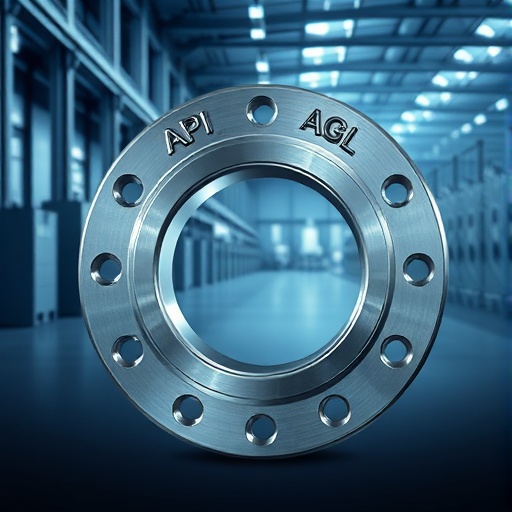
Flange gaskets seal API connections, preventing leaks in pumping systems under varying pressures. Select non-asbestos materials like rubber or PTFE for waterworks, resisting compression up to 1500 psi. For wastewater, spiral-wound gaskets with stainless steel windings handle corrosives near valves.
Match gasket thickness to flange faces—raised or flat—to ensure even loading during bolting. API specs recommend full-face designs for slip-on flanges, covering bolt holes fully. Test compatibility with media; EPDM suits clean water pumps, while Viton excels in oils.
Proper choice extends maintenance intervals, avoiding failures from extrusion or degradation. Install with torque wrenches for uniform pressure, and inspect regularly for wear. By prioritizing quality gaskets, engineers safeguard pipe flanges, optimizing flow and safety in demanding applications.
Managing Expansion Joints and Bellows
Expansion joints and bellows absorb thermal and vibrational stresses in piping tied to pumps, preventing flange overload. Install them adjacent to API flanges in long runs, allowing flex without compromising seals. Stainless steel bellows suit high-temperature wastewater lines, rated for psi cycles.
Design systems with anchors to direct movement, protecting flanged joints from shear. Regular inspections check for fatigue cracks, especially near variable-speed pumps. API guidelines integrate these components for holistic stress management in plants.
Maintenance involves cleaning debris and lubricating guides, extending life. In waterworks, fabric-reinforced joints handle water hammer. Proper management averts failures, ensuring smooth operations and compliance with engineering standards.
Troubleshooting Common Issues: Failure and Overbore
Failure in API flanges often stems from improper torquing or material fatigue, leading to leaks or bursts under pressure. Diagnose by checking bolt tension and gasket integrity; retighten per manufacturer specs to resolve. In pumps, monitor vibrations that accelerate wear on weld necks.
Overbore occurs when bores exceed specs, causing turbulence and erosion in flows. Measure with calipers during machining verification; resize if needed. Coatings like epoxy mitigate corrosion-induced overbore in wastewater.
Preventive steps include annual NDT inspections and logging operating psi. For wellheads, address thermal mismatches promptly. Troubleshooting empowers quick fixes, minimizing downtime and upholding API flange reliability in critical systems.
See Also
- The Impact of Flange Specifications on Industrial Manufacturing Efficiency
- Exploring the Benefits of Epoxy Coated API Flanges in Harsh Environments
- Innovations in Flanged Connections for Wastewater Treatment Plants
- The Importance of Standardization in API Flange Manufacturing
- A Comprehensive Guide to API Flange Types and Their Applications